The 5-reel pokies Australians are playing in 2026 — and the offshore reality behind the lobby
 Available in AU
The shortest version of this page: the most-played 5-reel pokies available to Australians in 2026 span RTPs from 95.97% to 99.00%, the studios behind them range from a 70-year-old Sydney-founded outfit to a Swedish-Maltese one, and every real-money casino accepting Australian players is offshore. There is no Australian licence for the product these sites offer. The IGA prohibition is structural, not a grey area, and the ACMA has now blocked 1,564 illegal gambling sites since 2019. What follows is the closest a player can get to an honest map: the games, the studios, the operators, the payments, the law, and the one self-exclusion register that does not cover any of it.

Verified against the ACMA register, the Interactive Gambling Act 2001 (Cth) and the AU regulation skill as at 18 October 2026.
Table of Contents
- What a 5-reel pokie actually is — and why the extra reels change everything
- Why most Australians try 5-reel pokies for free first
- The 5-reel pokies Australians are spinning in 2026
- Where Australians play 5-reel pokies for real money — every option sits offshore
- Getting money on and off an offshore pokies site from Australia
- Why your 2026 5-reel session sits outside Australian law
- Keeping the reels fun: responsible gambling tools that reach you — and one that doesn’t
- How we picked the best 5-reel pokies for this guide
- 5-reel pokies in 2026: know the reels, know the risk
- Frequently asked questions
What a 5-reel pokie actually is — and why the extra reels change everything
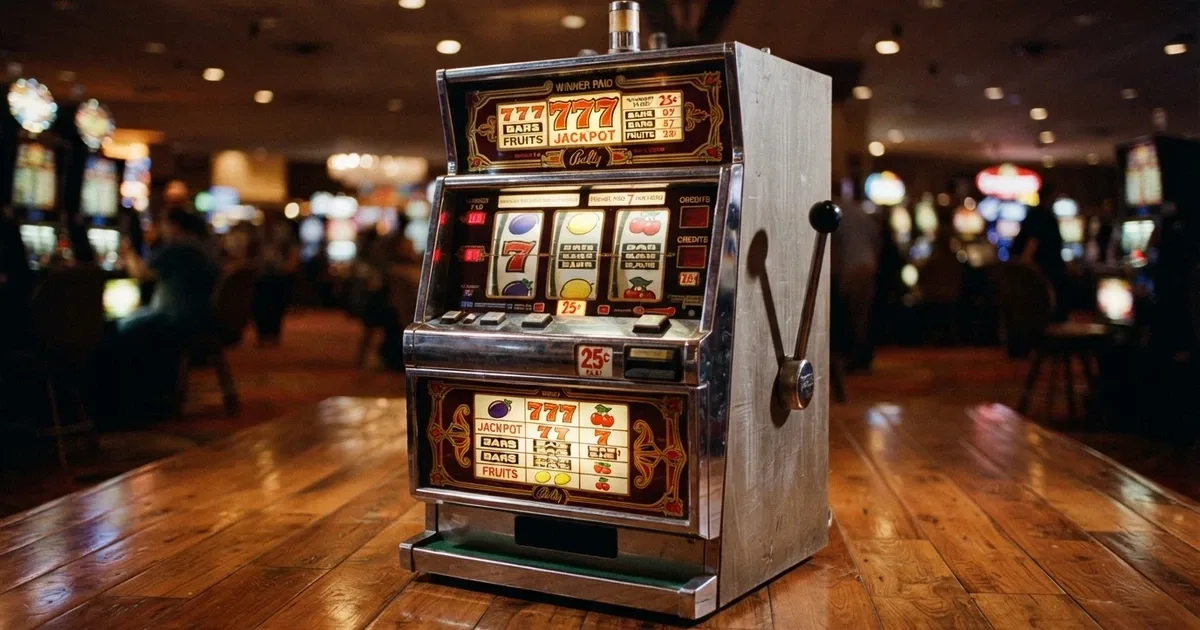
The 5-reel pokie is the modern video-pokie default. Five reels, three rows, fifteen symbol positions, anywhere from a handful of paylines to over a thousand ways to win. It is the format behind every title on the comparison table later in this page, and the format every studio in this market is shipping to. The contrast that explains why it matters is the format it replaced: the classic 3-reel machine, one payline, three rotating drums, and the kind of payout you could read at a glance.
A single 5-reel video pokie carries around 50 million possible symbol combinations on a given spin, against a few thousand on a 3-reel machine built on 20 to 24 symbols per reel and one to five paylines. The volume of outcomes is what makes everything else possible — free spins, scatter pays, expanding wilds, cascading reels, Megaways, hold-and-win jackpots — because the engine has the symbol space to support them. The trade is volatility. A 3-reel pokie pays smaller wins more often, on a flatter distribution. A 5-reel pokie concentrates its payout in features you may sit through hundreds of spins to reach.
How the 5×3 grid works — and why 50 million combinations change the odds
The 5×3 grid is fifteen symbol positions arranged in five vertical reels of three rows each. From those fifteen positions, a spin can form winning combinations in two different ways. The first is the older model: fixed paylines, ten or twenty or twenty-five of them drawn across the grid, each paying only when a matching line of symbols lands on it. The second is the newer model: 243 or 1,024 ways to win, where any matching symbols on adjacent reels from left to right count, regardless of their row. The result is the same engine underneath — a randomised outcome across fifteen positions — but the second model pays on a much wider set of those outcomes, which is what makes 5-reel pokies feel like they hit more often even when the per-spin payout is lower.
That 50-million-combinations figure is the scale of the symbol space a modern 5-reel pokie is sampling from. It is also why every other thing on the screen exists. A 3-reel machine has the symbol budget for cherries, bars and sevens. A 5-reel pokie has the budget for a scatter that triggers a free-spin round, a wild that expands across a reel, a multiplier that doubles a bonus payout, and a pick-me round that pays credits at random. The features are not decoration; they are the game.
3 reels vs 5 reels: what you gain when two more reels spin
The classic 3-reel pokie is a one-line machine with three rotating drums and a tight symbol set. Wins are frequent, small, and legible. A session is short and the variance is low. A modern 5-reel video pokie layers free-spin rounds, multipliers, wilds, scatters, bonus-buy options, and in some titles a progressive jackpot on top of the base game. A session is longer, the variance is higher, and the prize ceiling sits somewhere between 2,500x and 25,000x the stake depending on the title.

The honest read is that you do not really “gain” anything by moving to 5 reels — you trade one experience for another. The 3-reel pokie pays you a small amount, often, with a clean mental model. The 5-reel pokie asks you to fund a longer session in exchange for occasional features that pay orders of magnitude more when they land. Which one is “better” depends on what you actually want out of a session, and there is no shame in preferring the older format. The market has, though — and the comparison table later in this page is almost entirely 5-reel titles because that is what the studios and the operators are pushing in 2026.
Why most Australians try 5-reel pokies for free first
Free-play mode is the dominant way Australian players encounter a 5-reel pokie for the first time. The version of the page that ranks “best 5-reel pokies” in AU search results is usually anchored by a demo-mode pitch: try the game, learn the bonus round, decide whether to deposit. The reason is simple. A real-money session at an offshore casino carries friction the demo does not — identity verification, a deposit rail, a withdrawal queue, and the regulatory gap described in the section on the IGA — and a player who has not seen a game’s bonus round before is going to find that friction expensive.

Free play is not a sample size. It is the same game engine, the same random number generator, the same symbol set, the same feature triggers. What changes is the wallet. Demo credits cannot be withdrawn because they were never deposited; bonus rounds fire at their natural frequency because the engine does not know it is being played in demo mode. A player who learns a game’s rhythm in free play is learning the actual game, not a marketing approximation.
Demo mode vs real-money play: what free play actually teaches you
Free play teaches you the mechanics. It shows you how often the bonus round triggers, what the expanding-symbol mechanic looks like, how the cascading reels pay, and roughly how long a typical session between features runs. It does not, and cannot, teach you bankroll management, because the wallet is not yours. Demo credits mask the volatility experience. A high-volatility title feels different when each spin is a real dollar against a bankroll you cannot reload, and no amount of free-play practice reproduces the emotional weight of a real-money loss.
The transition from demo to real money also changes decision-making. In free play, there is no minimum bet to clear, no wagering requirement to satisfy, and no withdrawal queue at the other end. The mechanical learning carries across, but the framing of the session does not. The most useful thing free play can do for a real-money player is show them which features to look for and which titles feel like theirs; the rest is a different game.
Bonus rounds on free play — yes, they trigger with demo credits
The bonus round is part of the game engine, not a feature the casino switches on for paying customers. Free spins, pick-me bonuses, hold-and-win jackpots, and multiplier trails all trigger at their natural frequency in demo mode because the random number generator does not know it is being driven by virtual credits. Where a title supports a bonus-buy option, that option is also reachable in demo mode in most implementations, which is the cheapest way a player can find out what a feature actually pays before paying for it.
The limitation is the same one the rest of free play runs into. Demo credits cannot be withdrawn. A 21,100x max-win on Sweet Bonanza in demo mode is a number, not a payout. The point of triggering the bonus round in free play is to see the mechanic, not to bank the result.
No download, no registration: how browser-based free pokies work
The 5-reel pokie format migrated to HTML5 years ago, and the download barrier fell with it. Free-play pokies now run in any modern browser, on desktop and mobile, without a software client and without an account. No email, no password, no phone number, no identity check. The screen opens, the credits sit on the balance, and the player spins. The same HTML5 build serves demo and real-money modes at most operators, so the experience on a phone in free play is the experience the player will get on a phone once they deposit.
The no-registration model is also the friction-free path through a regulatory gap. A player exploring a 5-reel pokie in demo mode is doing nothing the IGA touches, because no Australian-licensed provider is offering the game and no money is moving. The moment real money enters the picture the situation changes, and the rest of this page is the map of how.
The 5-reel pokies Australians are spinning in 2026
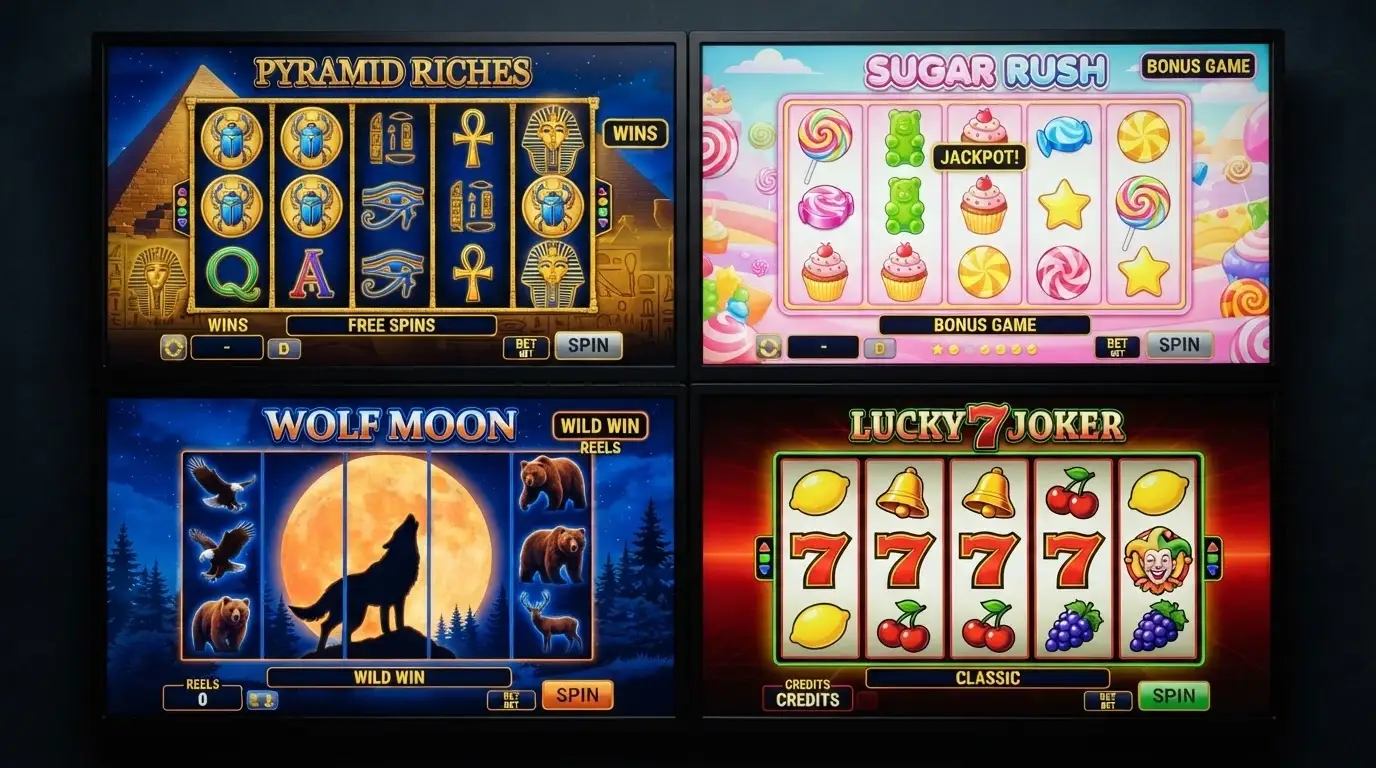
The table below is the closest a single page can get to a representative slice of what Australian players are playing in 2026. Twelve titles, every one with a confirmed RTP, volatility class where research carries one, the studio, and a max-win figure. The spread is real: 99.00% on Mega Joker at the top, 95.97% on Gonzo’s Quest at the bottom, and 25,000x on Zeus vs Hades as the prize ceiling. Most of these are studio flagships, several are older than the offshore casinos that carry them, and one — Mega Joker — is the highest-RTP real-money pokie an Australian player can find in the market.
| Title | RTP | Volatility | Provider | Max win |
|---|---|---|---|---|
| Book of Dead | 96.21% | High | Play’n GO | 5,000x |
| Sweet Bonanza | 96.51% | High | Pragmatic Play | 21,100x |
| Wolf Gold | 96.01% | Medium | Pragmatic Play | 2,500x |
| Mega Joker | 99.00% | — | NetEnt | — |
| Gonzo’s Quest | 95.97% | — | NetEnt | — |
| 5 Dragons | — | — | Aristocrat | — |
| 5 Lions | — | — | Pragmatic Play | 3,520x |
| Bier Haus | 96.28% | — | WMS | — |
| Power of Gods: Hades | 96.14% | Adjustable | VoltEnt | 5,000x |
| Zeus vs Hades: Gods of War 250 | 96.56% | High–very high | — | 25,000x |
| Stampede Gold | 96.62% | High | — | 10,127x |
| 4 Wolves of Fortune DoubleMax | 96% | High | Yggdrasil | 20,000x |
A few things the table shows. RTP is not a static promise — Pragmatic Play ships Sweet Bonanza in 96.51%, 95.49% and 94.45% variants, and the version that loads on any given site is the operator’s choice. Volatility is reported unevenly across the market: most review snippets carry RTP, fewer carry volatility, and Mega Joker’s volatility class is rarely cited because the 99.00% RTP is the point. Max win is the ceiling a single spin can pay, not the payout a player should expect — and at 21,100x, 20,000x and 25,000x, three of the titles here have ceilings that exceed the entire budget of a normal session. The version of these figures a casino actually loads is the version to read before depositing.
From Aristocrat to Pragmatic Play: the providers powering the reels
The Australian pokie market has a homegrown giant, a Swedish-Maltese legacy outfit, and a roster of newer studios doing the heavy lifting in the offshore lobbies. Aristocrat, founded in Sydney in 1953, built the local format — Reel Power, with its 243-ways-to-win grid that became the template for what an “Aussie” pokie feels like. 5 Dragons is the textbook Reel Power title. Pragmatic Play, founded in 2015 and shipping from Malta and Gibraltar, owns the high-volatility, high-max-win end of the catalogue: Sweet Bonanza, Wolf Gold, and 5 Lions all sit on the comparison table, and the studio’s house style is the long dry spell followed by a feature that pays orders of magnitude more than the base game.
NetEnt, the older Swedish studio, carries the legacy titles. Mega Joker is the outlier on the entire table at 99.00% RTP, the highest real-money pokie RTP available to Australian players in 2026 and a relic of an earlier era of game design. Gonzo’s Quest, released in 2011, is the older still — the cascading-reels template that almost every modern video pokie borrows from. Play’n GO’s Book of Dead is the expanding-symbol free-spin template that the rest of the industry has been trying to clone for a decade. WMS’s Bier Haus is the hold-and-win precursor, still in rotation. VoltEnt and Yggdrasil are the newer entrants — Power of Gods: Hades with its adjustable volatility, 4 Wolves of Fortune DoubleMax with its 20,000x ceiling. The mix is what an offshore lobby looks like in 2026: old formats still earning their place, newer studios pushing the prize ceiling, and a 99.00% outlier from a 2013 release that nobody has matched since.
Pokies terminology: what the screen is telling you
The screen of a 5-reel pokie carries a small vocabulary the rest of this page assumes. A wild substitutes for other symbols to complete a winning line. A scatter pays anywhere on the grid and usually triggers a feature when three or more land. A payline is the older payout engine — a fixed line across the grid that pays when matching symbols land on it. A ways-to-win engine pays on adjacent matching symbols from left to right, regardless of row, with 243 ways on a 5×3 grid and 1,024 ways on the rarer 5×4 layout. RTP — return to player — is the theoretical long-run percentage of wagered money a game returns, calculated over millions of spins and not a single session. Volatility is the shape of the risk: high volatility means longer dry spells between features and bigger payouts when the features land; low volatility means more frequent but smaller wins. Max win is the ceiling a single spin can pay. None of these are promises, and the 99.00% RTP on Mega Joker is a long-run number, not a guarantee that any particular session returns 99 cents on the dollar.
Where Australians play 5-reel pokies for real money — every option sits offshore
The list of real-money pokies sites accepting Australian players is, in 2026, a list of offshore casinos. There is no Australian licence for the product they offer. The Interactive Gambling Act 2001 prohibits providing online casino games — including online pokies — to a person in Australia, and no state or territory has issued a licence for it because the federal prohibition prevents one from being granted. The ACMA enforces the prohibition, has had 1,564 illegal gambling and affiliate sites blocked by Australian ISPs since November 2019, and has referred more than 225 services for formal action since 2017. Every brand in the table below is offshore, none holds an Australian casino licence, and the ranking reflects AU player volume from the operators market-share data — not regulatory standing.

| Operator | AU market rank | Holds Australian casino licence? |
|---|---|---|
| Rocket Play | #3 | No |
| Skycrown | #4 | No |
| Royal Reels | #9 | No |
| WinSpirit | #11 | No |
| Stake | #12 | No |
| Rainbet | #13 | No |
| Scream Casino | #14 | No |
| FairGO | #16 | No |
| Bizzo Casino | #19 | No |
| Rocket Casino | #20 | No |
The honest framing of this table is that it is a ranking of traffic, not trust. Higher AU market rank means more Australians are depositing at that brand; it does not mean the brand is safer, better-regulated, or more likely to pay out than the one ranked below it. The offshore permitting jurisdiction for every brand on the list is not stated here, and bonus terms, free-spin offers, wagering requirements and validity periods are not provided. Where a reader wants to evaluate a specific brand, the section on the IGA is the place to start.
Rocket Play
Ranked #3 by AU player volume among offshore casinos accepting Australian players, Rocket Play sits in the upper band of the offshore market and carries a broad pokies lobby. No Australian licence — no such licence exists. The offshore permitting jurisdiction was not confirmed this run, and the game-provider roster, welcome-offer structure, wagering requirements and validity period are not detailed here. A reader walking into Rocket Play for the first time is walking into an offshore casino with no Australian consumer protection, no BetStop coverage, and no ACMA recourse if a withdrawal is delayed or denied. The traffic rank tells you the brand is busy, not that it is a safe place to deposit.
Skycrown
Ranked #4, Skycrown is one traffic position below Rocket Play and a similar story at the high-traffic end of the AU-facing offshore market. No Australian licence, offshore permitting jurisdiction not confirmed this run, and the welcome-offer and provider specifics that would normally anchor a write-up are not detailed here. Skycrown’s pitch to Australian players is a pokies-heavy lobby and the kind of welcome package the offshore market uses to compete on volume. What the pitch does not include is any Australian regulatory framework. A player choosing Skycrown over Rocket Play is choosing on the basis of branding and offer terms, not on the basis of protection.
Royal Reels
Ranked #9, Royal Reels has a brand name that signals the pokies theme and a mid-pack AU traffic position. This product is unlicensed in Australia, and its offshore regulatory details are not available this run. Royal Reels sits in the band of the offshore market where AU player volume is real but the brand is not at the top of the leaderboard, and the gap between Royal Reels and a brand like Skycrown is mostly a marketing gap, not a regulatory one. Both are offshore, both are outside ACMA reach, and neither holds a licence that exists.
WinSpirit
Ranked #11, WinSpirit is in the next band down and has been picking up AU traffic. No Australian licence, offshore jurisdiction not confirmed, and the welcome-offer and provider data that would normally be the substance of an operator write-up is not detailed here. WinSpit’s position in the middle of the top 20 means the brand has enough AU player volume to be a real option for a reader shopping around, and the absence of confirmed terms means the reader is shopping on brand recognition and traffic rank, not on a verifiable offer. The IGA framework applies to WinSpirit the same way it applies to every other brand on this list.
Stake
Ranked #12, Stake is the global crypto-native brand in the AU-facing offshore set. The platform is built around cryptocurrency and sports betting as well as casino, and the crypto-native model is the reason it shows up in the AU pokies market at all. This product is unlicensed in Australia, and its offshore regulatory details are not available this run. Stake is also the most obvious example on this list of a brand that sits outside the Australian credit-card and crypto ban — a licensed Australian wagering operator cannot accept crypto, and Stake accepts nothing else. The brand is a useful contrast for a reader who wants to see what a fully offshore, crypto-native platform looks like, and the regulatory gap is the same gap every other brand on this list carries.
Rainbet
Ranked #13, Rainbet sits one position below Stake in the AU traffic table and shares the offshore positioning. No Australian licence, offshore jurisdiction not confirmed this run, and the welcome-offer, wagering and provider data are not detailed here. Rainbet is in the same band of the offshore market as WinSpirit — enough AU volume to be a real option, not enough to be at the top of the leaderboard, and the same absence of Australian regulatory protection as every other brand on this list. Players should base their decision on offer terms and lobby preference, as there is no material difference in regulatory standing between these brands.
Scream Casino
Ranked #14, Scream Casino is in the mid-pack of the offshore market and takes Australian players. No Australian licence, no confirmed offshore jurisdiction this run, and the welcome-offer, free-spin, wagering and provider specifics are not detailed here. Scream Casino is the kind of brand that lives or dies on its current welcome package, and the absence of confirmed terms on this page means the reader is choosing on the brand’s reputation and the traffic rank rather than on a verifiable offer. The IGA framework applies in full.
FairGO
Ranked #16, FairGO is one of the more obviously AU-facing brands on this list — the name is the pitch — and sits in the second half of the top 20. No Australian licence, offshore jurisdiction not confirmed this run, and the bonus and provider data that would normally anchor the write-up is not here. FairGO’s brand signals an attempt to look local, and the traffic rank shows the attempt is landing with Australian players. The regulatory position is the same as every other brand on this list: offshore, no Australian casino licence, no ACMA recourse, no BetStop coverage.
Bizzo Casino
Ranked #19, Bizzo Casino rounds out the top 20 and is in the second half of the AU traffic table. No Australian licence, no confirmed offshore jurisdiction this run, and the welcome-offer, wagering and provider specifics are not detailed here. Bizzo sits at the bottom of the ranked set, and the gap between Bizzo and Rocket Play is mostly a traffic and brand-recognition gap. The IGA framework is identical, the offshore status is identical, and the absence of any Australian consumer protection is identical. Market options here are functionally equivalent, as no brand on this list offers a superior regulatory standing.
Rocket Casino
Ranked #20, Rocket Casino closes the top 10 the page ranks and sits at the bottom of the AU traffic table. No Australian licence, no confirmed offshore jurisdiction this run, and the bonus, wagering and provider data are not on this page because the live data could not be refreshed. Rocket Casino is a useful bookmark for a reader who wants the rest of the market rather than the head of it, and the same warning that applies to every brand above this line applies here. The IGA prohibition is the floor, not the ceiling, of what the offshore status means for the player.
Getting money on and off an offshore pokies site from Australia
The payment rails an Australian player uses at an offshore casino split into two camps. The first is the AUD-native rails — PayID, Osko, BPAY, debit cards — that move Australian dollars in and out through the banking system. The second is the crypto rails — Bitcoin, USDT, and a handful of others — that move value across blockchain networks. PayID and Osko clear in under 30 seconds and are the dominant AU deposit rail; the minimum deposit is typically A$10, the maximum typically A$5,000 to A$10,000 per transaction. Crypto deposits and withdrawals now represent about 22% of AU pokies volume in 2026, and crypto withdrawals clear in 15 minutes to 2 hours — the fastest rail of any payment method available.
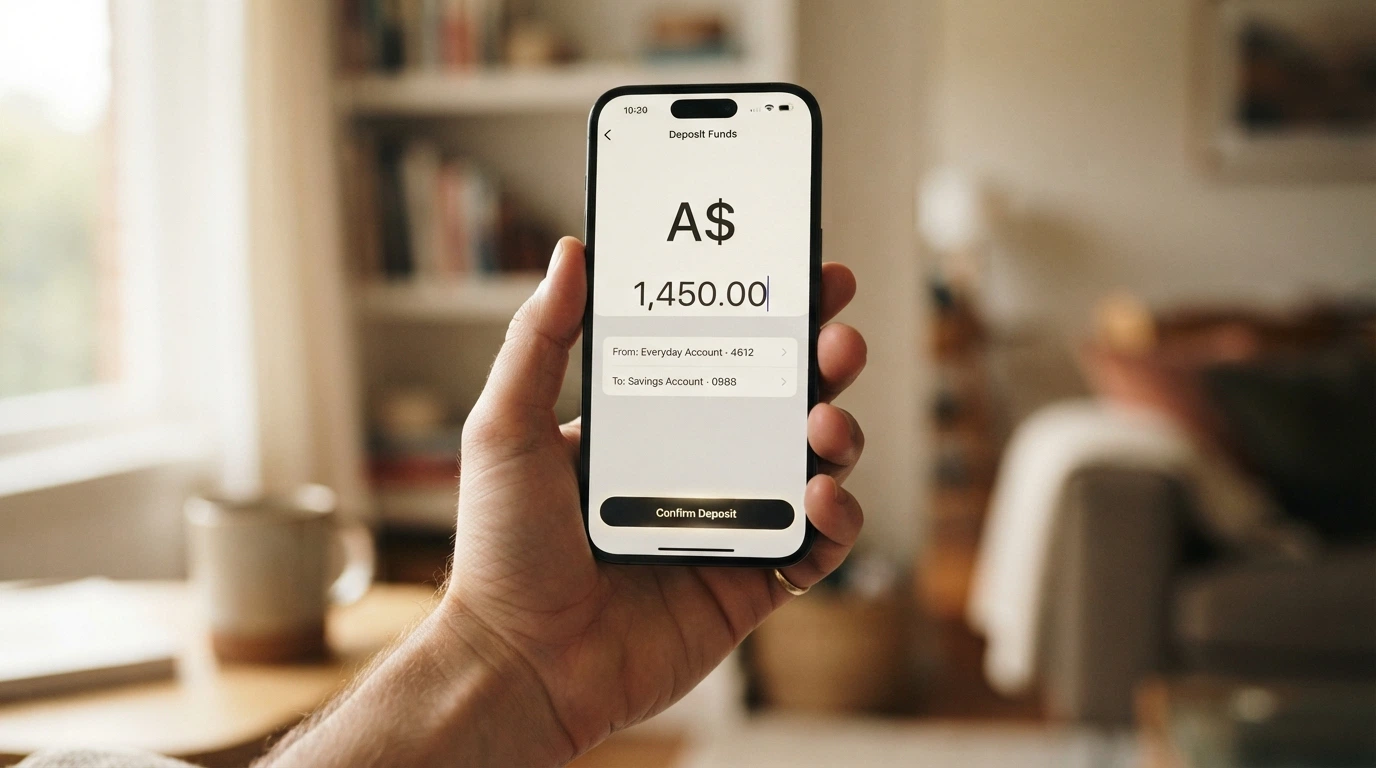
The catch is the law. Since 11 June 2024, credit cards, credit-related products, and digital currency (crypto) have been banned as payment for online wagering in Australia under the Interactive Gambling Amendment (Credit and Other Measures) Act 2023. An operator that fails to enforce the ban faces penalties of up to A$247,500. The ban applies to Australian-licensed operators. Offshore casinos do not enforce it, and that is one of the reasons they accept both credit cards and crypto. A reader choosing a payment rail at an offshore casino is accepting the risks inherent in an unregulated environment.
Deposit methods that work from Australia — and the ones the law now blocks
The deposit rail an Australian player picks at an offshore casino depends on whether the player wants AUD or crypto, fast or private, and whether the bank is willing to flag the transaction. PayID and Osko clear in under 30 seconds through the player’s own bank, the minimum is typically A$10, and the maximum is typically A$5,000 to A$10,000 per transaction. Neosurf and other prepaid vouchers work for players who want a privacy layer between the bank and the casino, though the voucher has to be bought first. Visa and Mastercard debit cards still work at most offshore casinos, and the credit-card ban is the legal reason a licensed Australian operator would refuse a credit-card deposit. BPAY is a licensed-wagering rail and is not generally available at offshore casinos.
The credit-card and crypto ban started 11 June 2024 and applies to Australian-licensed wagering. The legal deposit routes for a licensed operator are debit card, bank transfer, PayID/Osko, and BPAY. Offshore casinos do not enforce the ban, and that is the practical difference between a deposit at a licensed bookmaker and a deposit at an offshore casino: the licensed bookmaker will refuse the credit card; the offshore casino will not.
How fast you actually get paid: withdrawal reality at offshore casinos
Withdrawal speed is the metric the offshore market uses to compete, and the spread is wide. Crypto withdrawals clear in 15 minutes to 2 hours and are the fastest rail of any payment method. Bank transfers and card withdrawals take 1 to 5 business days and depend on the player’s bank as much as on the casino. PayID withdrawals are becoming more common at Australian-facing brands, though the credit and crypto ban complicates the licensed-wagering equivalent. The universal gate is identity verification — every first withdrawal triggers a KYC check, regardless of the method.
The gap is recourse. A withdrawal delay at a licensed Australian operator can be appealed to the relevant state or territory regulator. A withdrawal delay at an offshore casino can only be appealed to the offshore operator’s own support team and, in some cases, to the offshore licensing body — if the operator is licensed at all. The ACMA cannot recover a player’s money from an offshore casino, and the AUSTRAC Travel Rule at A$10,000 for crypto transactions is a reporting requirement, not a consumer protection. A player choosing a withdrawal method is also choosing a dispute-resolution path, and at an offshore casino that path runs through the operator.
Real-money verification: what you hand over before your first withdrawal
KYC is the industry-wide gate. Government-issued ID, proof of address, and verification of the payment method are standard at both licensed and offshore operators. The licensed operators do it because their state or territory regulator requires it. The offshore operators do it because the AUSTRAC Travel Rule adds A$10,000 crypto-transaction reporting, because the payment processors push it on them, and because they want to be able to argue, in a dispute, that the player’s account is verified. A first withdrawal without KYC is rare in 2026 and almost always triggers a request for documents the player has not yet uploaded.
The difference is the privacy framework. A licensed Australian operator holds player data under Australian privacy law, and the regulator can compel or review that handling. An offshore casino holds the same data under the privacy regime of whatever jurisdiction the operator is licensed in — and that jurisdiction could not be confirmed for any of the brands on this list. A reader handing over a driver’s licence and a recent utility bill to an offshore casino is handing them to an entity with no Australian privacy-law protection, and the data-retention and data-sharing practices of that entity are not on this page because they were not confirmed this run.
Why your 2026 5-reel session sits outside Australian law
The Interactive Gambling Act 2001 prohibits providing online casino games, online pokies, and in-play sports betting to a person in Australia. There is no licence for online casino anywhere in the country — not federally, not in any state or territory. The ACMA enforces the prohibition and has had 1,564 illegal gambling and affiliate websites blocked by Australian ISPs since November 2019, with more than 225 illegal services withdrawn from the Australian market since enforcement was strengthened in 2017. The individual player is not prosecuted — section 8AA of the IGA targets the provider, not the person in Australia using the service — but “not illegal for you” is not the same as “safe”, and the offshore status carries real consequences for the player.

The 2026 reform has passed. The Interactive Gambling Amendment (Gambling Reform) Bill 2026 passed Parliament on 19 August 2026 and its measures commence 1 January 2027. The reform does not legalise online casino. It caps wagering advertising, restricts inducements, bars athletes and influencers from promoting wagering products, and gives banks and payment providers express authority to block transactions to illegal gambling operators. What it does not do is touch the IGA’s core prohibition on online casino. The product every brand on this list offers stays prohibited after 1 January 2027, and the offshore reality stays the offshore reality.
The IGA prohibition: what it bans, what it leaves alone, and who it targets
The IGA draws a line. Prohibited to people in Australia: online casino games, online pokies, and in-play betting on a sporting event once it has started. Permitted and licensable: pre-event wagering on races and sport through operators licensed by a state or territory, and lotteries and keno. The ACMA enforces the online prohibition, investigates complaints, issues formal warnings and civil penalty proceedings, refers operators for enforcement, and directs ISPs to block illegal sites. Land-based and licensed wagering sit with state and territory regulators; the federal ACMA polices the online prohibition.
The target is the provider. Section 8AA of the IGA makes it an offence to provide a prohibited interactive gambling service to a person in Australia, and the operator — not the player — is the entity ACMA pursues. The 1,564 blocked sites and 225 withdrawn services are the visible result: a market in which offshore operators either leave Australia, lose their Australian-facing infrastructure, or accept the risk of being blocked at any time. The individual player is not prosecuted, but the player’s protection is the protection the operator chooses to offer, and at an offshore casino that is not much.
Offshore vs licensed: every protection you give up when you play outside Australia
- No Australian consumer protection or complaints body. The ACMA cannot recover a player’s money from an offshore casino. A dispute is between the player and the operator, and the operator’s own support team is the only path.
- No BetStop coverage. A self-excluded player can still deposit and play at an offshore casino. BetStop binds Australian-licensed wagering services only.
- No guarantee of fair RNG or payout integrity. An Australian-licensed operator is audited by its state or territory regulator. An offshore casino is audited by the body in the jurisdiction it is licensed in — and that jurisdiction could not be confirmed for any of the brands on this list.
- The site can be ACMA-blocked at any time. A player with a balance on a blocked site has the balance sitting on a platform that Australian ISPs will no longer resolve.
- Credit-card and crypto acceptance are tells. A licensed Australian wagering operator cannot accept credit cards or crypto. A casino that accepts both is sitting outside Australian rules.
The 2026 reform: what changes in 2027 — and what stays the same
The 2026 reform is passed law. From 1 January 2027, wagering advertising is capped at no more than three wagering ads per hour between 6:00 am and 8:30 pm, with a live-sport blackout from 15 minutes before a live sporting event until 5 minutes after it ends. Athletes, celebrities and influencers are barred from promoting wagering products, and wagering advertising is banned inside sports venues and on the uniforms of players and officials. Direct marketing of inducements is prohibited for 14 days after a customer signs up, for three months after a person deregisters from BetStop, and indefinitely for customers identified as at risk of gambling-related harm. Banks and payment providers gain express authority to block transactions to illegal gambling operators.
What the reform does not do is legalise online casino. The IGA’s core prohibition stands. The product every brand on this page offers is prohibited before 1 January 2027 and prohibited after it. The reform strengthens enforcement, restricts marketing, and gives the banking system a new tool, but the offshore status of every real-money pokie site accepting Australian players is the same on 2 January 2027 as it is on 31 December 2026.
Keeping the reels fun: responsible gambling tools that reach you — and one that doesn’t
The Australian responsible-gambling infrastructure is the most robust in this market and the most uneven in its reach. The National Gambling Helpline at 1800 858 858 is free, confidential, and staffed 24 hours a day, 7 days a week, with online chat and counselling through Gambling Help Online. BetStop, the National Self-Exclusion Register, has been live since August 2023 and had 67,480 registrations as at 31 July 2026, of which 41,290 were still active. About 2.1% of Australian adults — roughly 430,000 people — experience problem gambling, and the Australian Institute of Health and Welfare put high-risk gambling at 1.8% in 2022. These are the services and the figures that hold in the licensed Australian market.
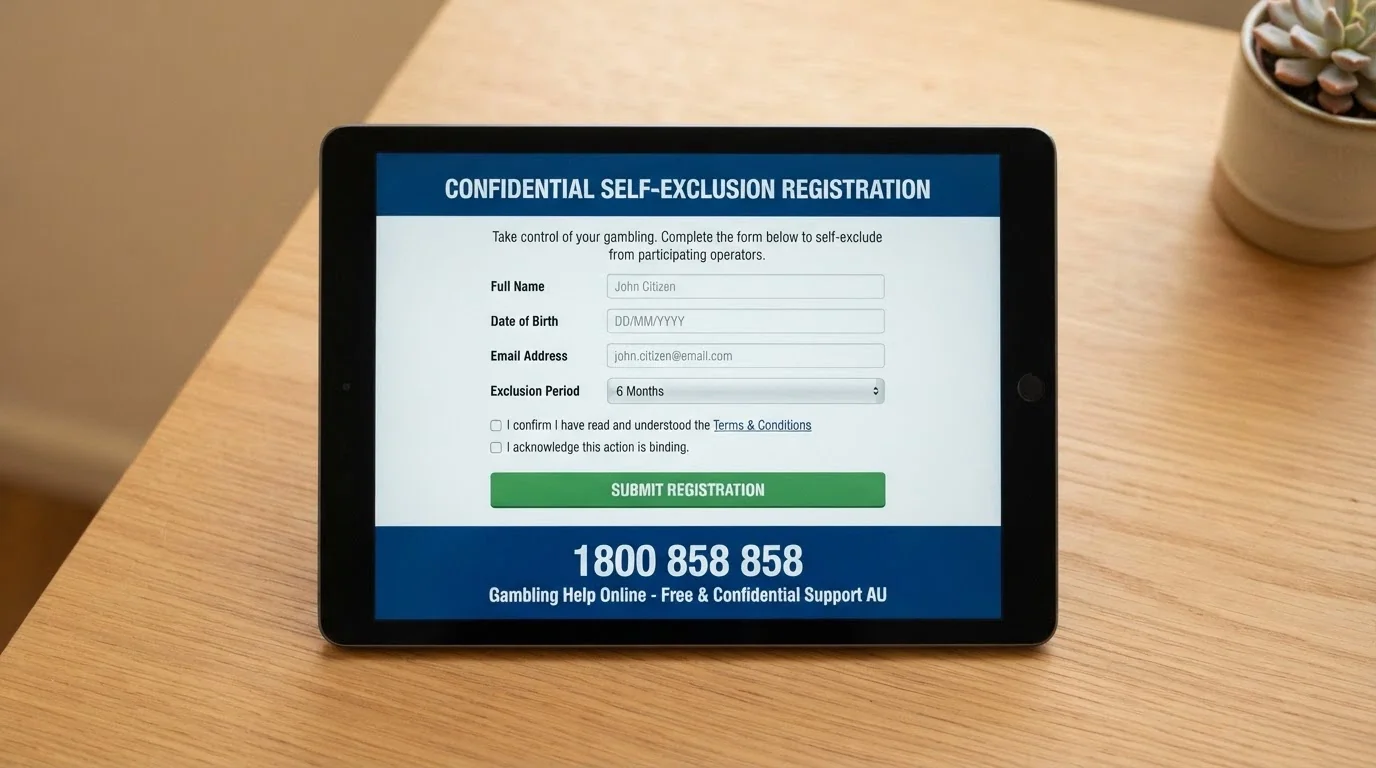
What does not hold at an offshore casino is any of it. BetStop binds Australian-licensed wagering services only. An offshore casino is not connected to the register, has no obligation to honour a self-exclusion, and will keep accepting a self-excluded person’s money. The helpline, the online chat, the counselling, the debt advice — those are the same wherever the player is playing, because the player is the same wherever the player is playing. The self-exclusion is the one tool that does not cross the border.
BetStop explained — and why it cannot reach an offshore casino
BetStop is Australia’s single-step self-exclusion register, and it is the strongest consumer-protection tool a player has inside the licensed Australian wagering market. One registration excludes a person from every Australian-licensed online and phone wagering service, and the licensed operators must not accept them or send them marketing. As at 31 July 2026, BetStop had 67,480 registrations since launch, with 41,290 exclusions still active — more than 60%. Seventy-eight per cent of registrants are under 40, and 38% chose lifetime exclusion, a number that is a useful corrective to the assumption that self-exclusion is a temporary measure for people who just want a break.
The reach stops at the licensed border. An offshore casino is not connected to BetStop, is not bound by the exclusion, and is not required to check the register. A player who has registered with BetStop and then deposits at an offshore casino is doing exactly what BetStop was set up to prevent, and the register has no mechanism to stop them. The protection works inside the system it was built for and fails outside it. A reader who has registered with BetStop and is still gambling is gambling somewhere BetStop cannot see.
Where to get help: the phone numbers, chat lines and tools that cost nothing
- National Gambling Helpline: 1800 858 858. Free, confidential, 24/7. Online chat and counselling through Gambling Help Online.
- Lifeline: 13 11 14. For crisis support, not gambling-specific but available when the gambling has tipped into something else.
- National Debt Helpline: 1800 007 007. For gambling-related financial difficulty.
- BetStop: betstop.gov.au. One registration excludes a person from every Australian-licensed online and phone wagering service.
The gap is what these services cannot do. None of them can recover money from an offshore casino. None of them can compel an offshore operator to honour a withdrawal or to close an account. The helpline, the chat, the counselling, the debt advice — all of these help the player. None of them help the player against an offshore operator that has decided not to pay.
How we picked the best 5-reel pokies for this guide
The game comparison table draws on archived review data carrying per-title RTP, volatility, provider and max win for twelve pokies with confirmed specs. The operator ranking reflects AU player-volume data from the operators market-share table. Every brand listed is offshore with no Australian casino licence, because no such licence exists. Live bonus and provider data could not be refreshed this run, and where a figure is unconfirmed the page says so rather than guesses. The legal backbone is drawn from the Interactive Gambling Act 2001 (Cth), ACMA enforcement data, and the 2026 reform provisions as passed by Parliament.
A few notes on what the page does not do. It does not pick a single “best” 5-reel pokie, because the right title depends on what the player wants from a session and the comparison table is the data the player needs to make that call. It does not pick a single “best” offshore casino, because the regulatory standing of every brand on the list is the same and the differences in bonus terms and provider roster are not data this page can confirm. It does not tell a reader where to deposit, because the legal framework that governs where the reader should deposit does not permit the deposit in the first place. The page is the closest an honest write-up can get in this market: the games, the studios, the operators, the payments, the law, the protections, and the gaps.
5-reel pokies in 2026: know the reels, know the risk
5-reel pokies are the most feature-rich, highest-variance format in online gambling, and the titles available to Australians in 2026 span RTPs from 95.97% on Gonzo’s Quest to 99.00% on Mega Joker, with prize ceilings from 2,500x on Wolf Gold to 25,000x on Zeus vs Hades. Free play in demo mode needs no deposit, no registration, and no download — it is the risk-free way to learn every game on this page, the same engine, the same features, the same RNG, with credits that cannot be withdrawn because they were never deposited. Real-money play from Australia means depositing at an offshore casino with no Australian licence, no ACMA recourse, no BetStop coverage, and no guarantee the operator will pay out when a withdrawal is requested. The 2026 reform strengthens enforcement from 1 January 2027 but does not legalise online casino, and the prohibition stands.
The page’s verdict, for whatever a verdict is worth on a market structured this way. Try the reels for free. Learn the bonus round, learn the volatility, learn which titles feel like the player’s titles. Understand the offshore reality before depositing a cent — what an offshore casino does not give the player is the same list as the consumer-protection section above, and every item on that list is the kind of thing a player only appreciates after it is missing. Keep the helpline number saved: 1800 858 858, free, confidential, 24/7. And if a session stops being fun, the section on responsible gambling tools is the one to read first, because the tools that reach a player are the ones that work, and the offshore route is the one where they don’t.
Frequently asked questions
Are 5-reel pokies legal to play online in Australia?
Online casino games, including online pokies, are prohibited to be provided to people in Australia under the Interactive Gambling Act 2001. No Australian licence for the product exists, federally or in any state or territory. The individual player is not prosecuted under the IGA — section 8AA targets the provider — but every real-money casino accepting Australian players is offshore and outside ACMA reach. Legal status and player safety are different questions, and on the second one the offshore route offers nothing the licensed market would.
What is the difference between 3-reel and 5-reel pokies?
A 3-reel pokie is a classic format with three rotating drums, one to five paylines, and a tight symbol set. A 5-reel video pokie runs five reels and three rows, with fixed paylines or 243 to 1,024 ways to win, and layers free spins, scatters, wilds, multipliers, and bonus rounds onto the base game. The 5-reel format carries around 50 million possible symbol combinations per spin against a few thousand on a 3-reel, and pays through features the older format does not have. The trade is volatility: 5-reel sessions run longer between features and pay bigger when the features land.
Can I play 5-reel pokies for free without downloading anything?
Yes. The 5-reel format migrated to HTML5 years ago, and demo mode runs in any modern browser on desktop and mobile without a software client or an account. No email, no password, no identity check — the screen opens, the credits sit on the balance, the player spins. The demo runs the same RNG and the same features as the real-money version, so what the player learns in demo mode is what the game actually does. The only thing the player cannot do is withdraw the demo credits, because they were never deposited.
What happens if an offshore casino blocks my withdrawal — can I get my money back?
No Australian body can compel an offshore operator to pay. The ACMA enforces the IGA against the provider, not on behalf of an individual player, and cannot recover a player’s money. A dispute is between the player and the operator, and the only path is the operator’s own support team and, where one exists, the licensing body in the offshore jurisdiction. For most brands on this list that jurisdiction could not be confirmed this run. The protection a licensed Australian wagering operator offers through a state or territory regulator does not exist at an offshore casino.
What is BetStop and does it cover offshore pokies sites?
BetStop is Australia’s National Self-Exclusion Register, live since August 2023. One registration excludes a person from every Australian-licensed online and phone wagering service. As at 31 July 2026, the register had 67,480 registrations with 41,290 still active; 78% of registrants are under 40 and 38% chose lifetime exclusion. The register binds Australian-licensed wagering services only. An offshore casino is not connected to BetStop, has no obligation to honour the exclusion, and will keep accepting a self-excluded person’s money. The protection stops at the licensed border.
How do paylines and ways to win work on 5-reel pokies?
A payline is a fixed line drawn across the 5×3 grid that pays when matching symbols land on it — ten, twenty, twenty-five or fifty of them depending on the title. Ways to win is a newer engine that pays on any matching symbols on adjacent reels from left to right, regardless of row, with 243 ways on a 5×3 grid and 1,024 ways on the rarer 5×4 layout. The result is a wider set of winning outcomes for the same underlying spin. Both engines are the same RNG underneath; the difference is how a winning combination is read off the grid.
Published by the Pokies Melbourne team.