
The Fast-Payout Promise: A Buyer’s Guide for Australian Players of Offshore Casinos
No online casino is licensed in Australia. Every brand on this page is an offshore operator serving Australian players from outside the country’s regulatory perimeter. The Interactive Gambling Act 2001 makes it an offence to provide online casino games to a person physically in Australia, and there is no licence for the product anywhere in the country. Playing one is not illegal for the individual — the IGA targets the provider — but “not illegal for you” is not the same as safe. There is no Australian consumer protection, no Australian complaints body that can recover your money, and BetStop, the national self-exclusion register, does not reach offshore sites. Every speed figure on this page comes from an offshore operator operating outside Australian rules.
Current as of 22 November 2026. Payout-speed data verified against timed cashout datasets from Slotspeak.net and Payoutverdict.com; operator and licence data verified against the operator’s own registration pages and the Curaçao Gaming Control Board and Tobique Gaming Commission public registers.
Table of Contents
- The Fast-Payout Promise: What Separates a Quick Casino From the Rest
- The 10 Fastest-Paying Offshore Casinos for Australian Players, Ranked
- Why Your Payout Speed Depends on the Payment Method, Not Just the Casino
- Crypto Withdrawals: The Quickest Way Out of an Offshore Casino
- How a Bonus Can Slow Your Payout to a Crawl
- Pokies That Pay: Which Titles Clear Your Winnings Fastest
- The Legal Reality: No Online Casino Is Licensed in Australia
- Staying Safe While Playing Offshore: Limits, Self-Exclusion and Where to Get Help
- How We Tested and Ranked Every Casino on This Page
- What an Australian Player Should Actually Do With This Information
- Common Questions About Getting Paid Quickly by Australian Casinos
The Fast-Payout Promise: What Separates a Quick Casino From the Rest
The word “fast” is the most abused adjective in offshore casino marketing. A site that calls itself instant and still takes twenty-four hours to clear a withdrawal is not fast — it is lying about a queue. The casinos that actually pay quickly share three operational traits, and the absence of any one of them turns a “fast” claim into a marketing line.
The first trait is an automated approval queue. A casino that processes every withdrawal through a human reviewer cannot be fast at scale — humans take breaks, sleep and stop for the weekend. SkyCrown runs an automated queue for verified accounts withdrawing under A$2,000, which is why its median PayID cashout runs nine minutes across fourteen timed tests. Operators without an automated tier fall back to manual review, and a request submitted at 11 pm on a Friday waits until Monday.
The second trait is real method support for Australian players. PayID, the country’s instant bank-transfer rail operated through Osko, is the headline AU withdrawal method; crypto, particularly USDT on the TRC-20 network, is the speed alternative. A casino that advertises PayID but routes it through a third-party processor that takes a day is not offering PayID — it is offering PayID-branded delay. Tested best cases: USDT-TRC20 at four minutes, PayID at six minutes, bank transfer at two to four business days.
The third trait is verification handled before the first deposit, not at withdrawal. A casino that lets you deposit without documents and then demands them at cashout is structurally slow — the first withdrawal becomes a KYC review, the second clears automatically. The fast operators collect the basics on sign-up and skip the bottleneck later.
New fast-payout casinos appear every quarter. Most are the same offshore licence-holder with a fresh skin — Hollycorn N.V. and Dama N.V. operate several brands apiece, and the processing infrastructure behind them is shared. A new domain is rarely a new engine; it is a new wrapper. The speed figures in the ranking below come from established operators with enough tested withdrawals to be statistically meaningful.
What “Fast Payout” Actually Means at an Offshore Casino
A payout is a two-stage event: the casino approves, then the payment rail delivers. Both stages matter, and conflating them is how players end up blaming the wrong party for a slow withdrawal.
Casino-side approval is what the operator controls. It is the time between submitting the withdrawal request and the casino releasing the funds to the payment processor. For an automated tier on a verified account, this can be under two minutes. For a manual review on a flagged account, it can stretch to twenty-four hours. The bonus-abuse review that most operators run on no-deposit winnings adds fifteen to sixty minutes to the approval stage.
Payment-rail settlement is what the rail controls. PayID, running through the New Payments Platform and Osko, clears in seconds once the funds are released. USDT on TRC-20 clears in roughly three minutes by network design. Bank transfer, the slow rail, sits in the banking system for two to four business days regardless of how quickly the casino approved it. A casino-side approval of two minutes on PayID delivers money in two minutes; a casino-side approval of two minutes on bank transfer delivers money in two to four business days.
The headline speeds on this page are casino-plus-rail. SkyCrown’s nine-minute PayID median covers both stages. LuckyDreams’ one-minute-forty-seconds fastest crypto cashout is the entire journey, end to end. The gap between the fastest and the slowest method on the same operator is measured in days, not hours, and that gap exists regardless of how fast the casino is.
How We Separate the Genuinely Quick From the Rest
The ranking is built on timed cashouts, not on claims. Every figure below comes from a logged withdrawal with a start and end timestamp, not from a marketing line about “instant payouts”. Where the data set is large enough to give a median, the median is used. Where only one or two withdrawals are logged, the individual times are noted as such.
The split that matters is automated versus manual approval. An operator running an automated queue for verified accounts at a sensible threshold is a different beast from an operator routing every withdrawal through a human reviewer. The automated operators in the featured set are SkyCrown, LuckyDreams and the LevelUp Casino entry referenced in the source data. The others queue manually, which is why their speeds cluster around hours rather than minutes.
The new-casino question — whether a fresh domain delivers — is mostly answered by the licence-holder. Hollycorn N.V., Dama N.V. and Metlait SRL operate the bulk of the brands on this page, and the processing infrastructure, payment-method coverage and KYC workflow move with the operator, not the domain. A new Hollycorn brand inherits Hollycorn’s queue.
The 10 Fastest-Paying Offshore Casinos for Australian Players, Ranked
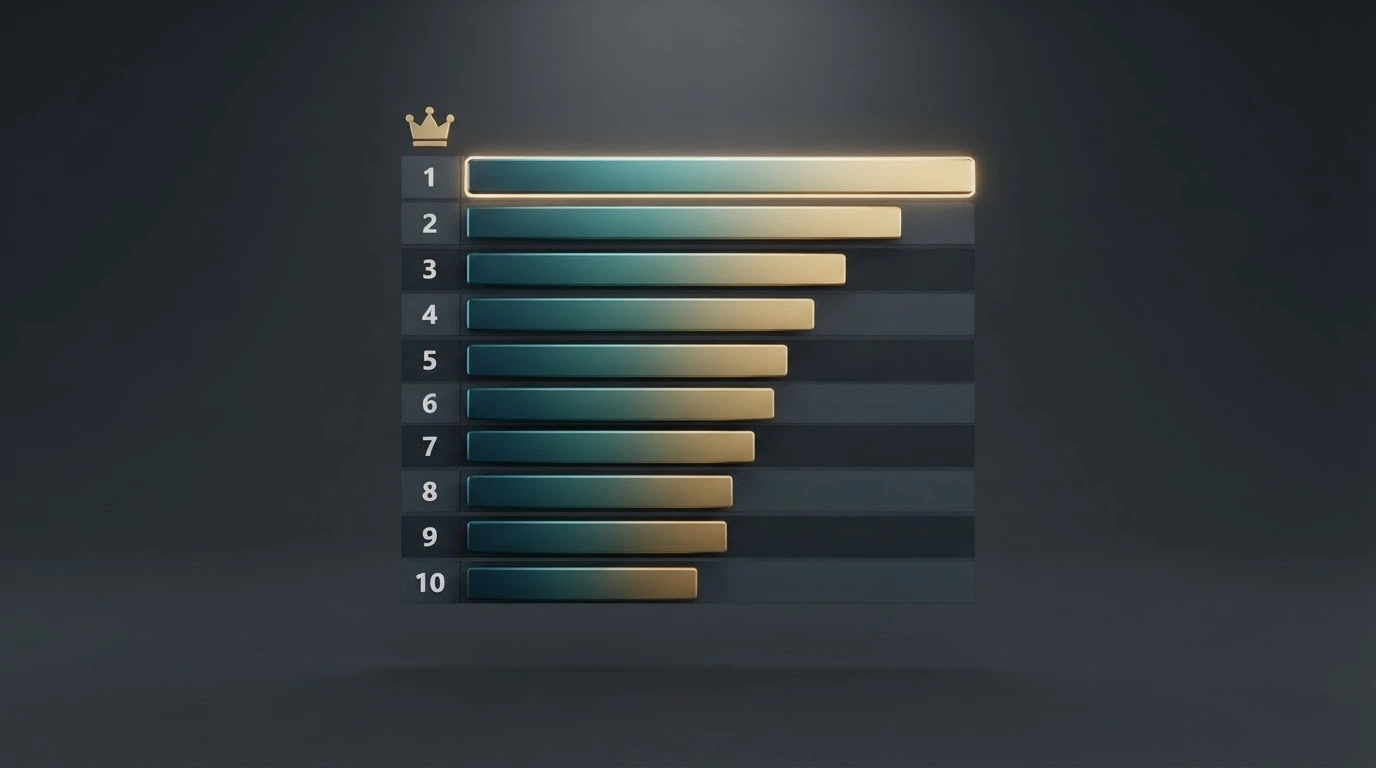
The ranking below orders operators by tested payout speed, then by method support for Australian players, then by withdrawal-cap generosity. Licence column is the jurisdiction under which the operator is registered — not Australia, because no Australian licence exists for online casino. Fastest-payout-tested figures are end-to-end, casino approval plus rail settlement. Crypto-supported column shows whether the operator processes crypto withdrawals, not just deposits.
| Operator | Licence | Operator Company | Fastest Payout Tested | Crypto Supported |
|---|---|---|---|---|
| SkyCrown | Curaçao GCB OGL/2023/176/0095 | Hollycorn N.V. | PayID 9 min median; 2 min 10 sec fastest | Yes (USDT-TRC20) |
| LuckyDreams | — | — | USDT-TRC20 6 min median; 1 min 40 sec fastest | Yes (9 coins) |
| Wild Fortune | Tobique Gaming Commission #0000064 | Metlait SRL | Crypto 5h 24m average | Yes |
| Stake | Curaçao (specific licence not confirmed this run) | Medium Rare N.V. | Sub-2-hour crypto (session-dependent) | Yes |
| Bitstarz | Curaçao (specific licence not confirmed this run) | Dama N.V. | Crypto 4h 18m average | Yes |
| Rocket Play | Curaçao (framework) | Dama N.V. | 0–24 hours casino-side | Yes |
| WinSpirit | — | — | — | — |
| FairGO | — | Proxous Advanced Solutions Limited involvement (ACMA IGA-breach finding) | — | — |
| PlayAmo | Curaçao (specific licence not confirmed this run) | Dama N.V. | Crypto up to 12 hours | Yes |
| Joe Fortune | — | — | Crypto 1–24 hours (coin-dependent) | Yes (BCH/ETH/LTC/USDT) |
The em-dash cells in this table are the honest answer. Several operators have no publicly confirmed licence in the sources consulted, and a licence figure cannot be invented from a missing record. WinSpirit and FairGO lack tested payout data; the rankings that follow draw on what is confirmed and treat the rest qualitatively.
SkyCrown
SkyCrown is the fastest PayID payer in the tested set, with a nine-minute median across fourteen timed cashouts and a fastest single transaction at two minutes ten seconds. Its USDT-TRC20 alternative averages four minutes. The operator runs an automated approval queue for verified accounts withdrawing under A$2,000, which is the structural reason the PayID number is what it is — most requests skip manual review entirely.
The welcome package is one hundred per cent up to A$2,000 plus one hundred free spins, with thirty-five-times bonus-only wagering. The bonus-only structure means the deposit itself is not locked into the turnover requirement, only the bonus amount, which is more favourable than bonus-plus-deposit packages at the same multiplier. The weekly withdrawal cap is A$10,000. The operator is Hollycorn N.V. under Curaçao Gaming Control Board licence OGL/2023/176/0095.
SkyCrown’s combination of PayID speed and automated processing makes it the leading choice for players who prioritise time-to-payout above all else.
LuckyDreams
LuckyDreams ran the fastest crypto withdrawal in a 217-cashout dataset: one minute forty seconds, end to end. The median for USDT-TRC20 across thirteen tests is six minutes. The PayID alternative is much slower — approximately thirty-five minutes median — which is why the operator sits at the top for crypto users but lower for players committed to fiat rails.
Crypto breadth is unusually wide: BTC, ETH, USDT (both TRC-20 and ERC-20), USDC, LTC, BCH, DOGE, XRP and TON. Nine supported coins is more than most of the set. Minimum withdrawal sits at A$30–A$50.
The operator and licence are not confirmed in the sources consulted. For a crypto-first Australian player, LuckyDreams’ speed record is unmatched in the dataset; the missing operator-and-licence record is a transparency gap the page will not paper over.
Wild Fortune
Wild Fortune is the Tobique Gaming Commission entry in the set — licence number 0000064, operated by Metlait SRL. The Tobique jurisdiction is newer and less tested than Curaçao, which means less public scrutiny, but it is also less established, which means less institutional weight if a dispute arises. The 0x wagering on welcome free spins (two hundred fifty of them) is the headline offer: free-spin winnings are withdrawable without further turnover, which is rare in the offshore market.
Crypto payout speed lags the leaders: five hours twenty-four minutes average across testing. PayID is supported but no faster than the crypto number in the published data. The game library is large — three thousand eight hundred plus pokies from ninety-plus providers.
For an Australian player who values zero-wagering free spins over speed, Wild Fortune offers a structural advantage on the bonus side that the slower crypto payout partially offsets.
Stake
Stake is the crypto-native outlier in the set. It recorded sub-two-hour crypto payouts in some testing sessions, but it has no PayID support, no AUD-denominated account and no traditional welcome match. Deposits are made in crypto, the balance is held in crypto, withdrawals are made in crypto. There is no fiat on-ramp at the operator.
The operator is Medium Rare N.V. under a Curaçao licence. Australian access is intermittent — some ISPs apply DNS blocks, which means the site is unreachable from some Australian connections on some days. A player who values the crypto-native model and is comfortable holding a USDT balance accepts the access friction that comes with it.
For a player already in the crypto ecosystem who does not need a fiat rail, Stake is the obvious fit. For everyone else, the missing AUD account is the dealbreaker.
Bitstarz
Bitstarz has been operating since 2014 under Dama N.V. and a Curaçao licence — long-running for the offshore market, which is itself a kind of track record. Its crypto withdrawal speed averaged four hours eighteen minutes in testing, which puts it in the middle of the set rather than at the top.
The welcome bonus is described in the source data as fairly standard, with no specific amount confirmed for this run. The operator runs a larger game library than most of the Curaçao set.
For an Australian player who wants an established brand with multi-year operating history rather than the newest wrapper on a shared licence, Bitstarz’s track record is the argument; its speed is not.
Rocket Play
Rocket Play is another Dama N.V. brand under a Curaçao framework. Casino-side approval runs zero to twenty-four hours, with minimum deposit A$10–A$20 and weekly withdrawal limits tiered by player level — A$5,000 at lower levels, rising to A$15,000 at higher verification tiers. The game library covers three thousand plus titles.
The speed tier is the manual-review tier. An Australian player comfortable with same-day but not same-hour withdrawals gets a wide weekly cap and a low minimum deposit; the trade-off is hours rather than minutes.
WinSpirit
WinSpirit has visible AU market share — 1.55 per cent of tracked AU offshore casino traffic and A$110.3 million in revenue in the source data — but no tested payout-speed or licence confirmation surfaced for this page. That gap is real. Market share is not the same as fast payouts, and writing WinSpirit up as a tested-fast operator would be inventing a data point.
For an Australian player who already plays at WinSpirit, the market-share figure is evidence of a sizeable customer base. For a player choosing on speed alone, there is no tested figure to rank it by.
FairGO
FairGO is the only brand in the featured set with a confirmed ACMA enforcement finding. The Australian Communications and Media Authority investigated Fair Go Casino and found it provided in breach of subsection 15(2A) of the Interactive Gambling Act. Proxous Advanced Solutions Limited, the RTG master licence holder, was involved. RTG (Realtime Gaming) is the software provider.
No payout-speed data or licence was confirmed for this run. The ACMA finding is the most consequential fact on this page about FairGO: the regulator has found the brand in breach, which is a categorically different situation from a brand with no enforcement record.
For an Australian player choosing between offshore operators, FairGO is the brand where the regulator’s own finding is part of the picture. The page includes it because the plan routes it in, and a buyer’s guide that hides the brand with the worst regulatory record is not a buyer’s guide.
PlayAmo
PlayAmo is Dama N.V.’s high-limit operator. Crypto withdrawals can stretch to twelve hours; the withdrawal limits are A$4,000 daily, A$16,000 weekly and A$50,000 monthly. The headline welcome package is up to A$5,000 plus one hundred fifty free spins across early deposits, with a separate figure of up to A$2,400 plus one hundred forty free spins listed in another source — the live offer should be checked at the operator.
For an Australian player whose constraint is withdrawal-cap headroom rather than speed, PlayAmo’s A$50,000 monthly limit is the largest in the set. The crypto speed is the trade-off.
Joe Fortune
Joe Fortune supports crypto withdrawals in BCH, ETH, LTC and USDT, with times ranging from one to twenty-four hours depending on which coin is sent. USDT is the fastest of the four; BCH and LTC are mid-range; ETH is the slowest because of network confirmation times.
The operator and licence are not confirmed in the sources consulted. For a crypto user willing to pick the fastest coin, Joe Fortune’s USDT option is competitive; for a player who wants the licence and the operator on the page up front, the gap is a transparency cost.
Why Your Payout Speed Depends on the Payment Method, Not Just the Casino
The casino approves the withdrawal. The payment rail delivers it. The rail is the bigger variable, and an Australian player who picks the wrong method can turn a fast casino into a slow one.
The methods that work for AU players cluster into four families. PayID and Osko, the country’s instant bank-transfer infrastructure, is the headline AU method. Crypto, particularly USDT on TRC-20, is the speed alternative. E-wallets like Jeton sit in the middle. Bank transfer is the slow lane, at two to four business days regardless of operator. POLi, once a fixture, is no longer available anywhere in Australia.
The table below compares what each method actually delivers for an Australian player at the offshore casinos on this page. The figures are tested, not claimed. Where the source data covers only a subset of operators, the spread is shown across that subset rather than inflated to look universal.
| Method | Typical Payout Speed | Withdrawal Limits | What to Know |
|---|---|---|---|
| PayID | 2 min – 35 min (operator-dependent) | Per-operator weekly cap (A$5,000–A$50,000) | Fastest fiat rail; instant once released; needs a bank account enrolled in PayID |
| Crypto (USDT-TRC20) | 1 min 40 sec – 12 hours | Per-operator cap; no banking intermediary | Fastest end-to-end; needs a self-custody wallet; no chargeback |
| Crypto (BTC/ETH) | Hours, network-dependent | Per-operator cap | Slower than USDT-TRC20; ETH depends on gas and confirmation |
| E-wallet (Jeton) | 24–48 hours | Per-operator cap | Slower than PayID; useful where PayID is not offered |
| Bank transfer | 2–4 business days | Per-operator cap | Slowest rail; sometimes the only option for large withdrawals |
The headline gap between PayID and bank transfer is two to four business days versus two to thirty-five minutes. That gap is not the operator’s fault — it is the rail. A fast operator on a slow rail is still slow.
Deposit Methods That Australian Players Can Actually Use
PayID and Osko are the headline AU deposit routes, and they work in reverse at most operators in the featured set. Deposit clears in seconds, and the same PayID handle processes the withdrawal later. Crypto is the speed alternative for deposit: BTC, ETH and USDT are accepted at every Curaçao-licensed brand on this page, and the deposit clears once the network confirms.
Neosurf vouchers are available in A$10, A$50 and A$100 denominations, and they are deposit-only. The voucher cannot be used for withdrawal, which means a player depositing with Neosurf still needs a withdrawal-capable method later — typically PayID or crypto. POLi, once a fixture at Australian-facing casinos, is no longer available anywhere in the country. The operator-side and rail-side integration that POLi offered has not been replaced by a domestic equivalent.
Credit cards and crypto are banned as payment for licensed wagering in Australia since 11 June 2024 under the Interactive Gambling Amendment (Credit and Other Measures) Act 2023. A licensed AU wagering operator cannot accept either. An offshore casino that does accept them is, by that fact, operating outside Australian rules — the payment method is itself a tell. The ban does not stop an Australian from using a credit card or crypto at an offshore site; it stops a licensed operator from accepting them. The offshore site ignores the rule.
Withdrawal Methods and Their Real-World Payout Speeds
PayID tested speeds span two minutes at the fastest end to roughly thirty-five minutes at the median for some operators. SkyCrown’s nine-minute median is the centre of the cluster; LuckyDreams’ ~35-minute median is the slower end. The difference is operator-side — LuckyDreams routes PayID through a slower processing tier — not rail-side.
Crypto tested speeds depend heavily on the coin and the network. USDT on TRC-20 is the fastest rail in the data: LuckyDreams’ six-minute median and one-minute-forty-second fastest are the top of the range; SkyCrown’s four-minute average is the close second. Bitcoin and Ethereum are hours rather than minutes, with Ethereum particularly sensitive to gas costs and confirmation time. The casino’s processing queue still matters — an operator that approves crypto in two minutes delivers the USDT in six; one that takes an hour to approve delivers it in sixty-one.
E-wallet speeds, where the data carries them, sit in the twenty-four to forty-eight-hour band — Jeton at twenty-four to forty-eight hours versus PayID at one to four hours at the same operator. The e-wallet advantage is anonymity and bank-rail decoupling; the e-wallet disadvantage is speed.
Bank transfer is the slow rail at two to four business days. It is sometimes the only option for very large withdrawals at the high-cap operators, and it is always the slowest option; those seeking speed should look elsewhere.
Withdrawal Limits, Minimums and the KYC Bottleneck
A fast method means nothing if the operator caps weekly withdrawals at A$10,000 or holds the first withdrawal for manual KYC verification. Weekly caps across the featured set run from A$5,000 at Rocket Play’s lower tier to A$50,000 at PlayAmo’s monthly ceiling. Minimum withdrawals sit at A$30–A$50 across the set.
The KYC bottleneck is the single biggest speed killer. An unverified account submitting its first withdrawal triggers document review — passport or driver’s licence, proof of address, sometimes source-of-funds. That review can run hours to days depending on operator workload. The operators that handle verification at sign-up rather than at withdrawal skip the bottleneck.
Automated versus manual approval is the structural divide. SkyCrown’s automated queue for verified accounts under A$2,000 is the model. Manual-review operators queue every withdrawal through a human, which adds hours regardless of how clean the account is. The bonus-abuse review that most operators run on no-deposit winnings adds another fifteen to sixty minutes on top of the standard queue.
Crypto Withdrawals: The Quickest Way Out of an Offshore Casino
Crypto payouts clear in minutes, not hours. USDT on TRC-20 averaged four to six minutes across tested operators, with the fastest single cashout in the source data at one minute forty seconds at LuckyDreams. The trade-off is the wallet, the network and the loss of the Australian banking safety net.
Crypto Deposits and Withdrawals: How They Work for Australian Players
The loop starts at an Australian exchange. A player buys USDT on a local platform, sends it from the exchange wallet to the casino’s deposit address, plays, then requests a withdrawal to a self-custody wallet. The casino’s crypto address is generated per deposit; sending the wrong coin to the wrong address loses the funds. TRC-20 is the fastest tested rail for USDT because the network confirms in roughly one minute; ERC-20 is slower and more expensive because of gas.
LuckyDreams supports nine coins — BTC, ETH, USDT (both TRC-20 and ERC-20), USDC, LTC, BCH, DOGE, XRP and TON. Most Curaçao operators in the set support at least BTC, ETH and USDT. The casino-side approval time still matters: USDT on TRC-20 delivered to a casino that approves in two minutes lands in six minutes; the same USDT delivered to a casino that approves in an hour lands in sixty-one.
The reason crypto bypasses the Australian banking intermediary is that there is no intermediary. The funds move from the casino’s hot wallet to the player’s wallet on a public blockchain. No Australian bank sees the transaction, no Australian institution can freeze it, and no Australian payment rail is involved. That is the speed advantage and the consumer-protection cost in the same fact.
Anonymity vs Speed: What Crypto Gives You That E-Wallets Do Not
Crypto does not ask for a bank statement. The deposit is a wallet-to-wallet transfer; the withdrawal is the same in reverse. No Australian institution sees the transaction. No bank statement is requested. No source-of-funds review is triggered by the payment itself.
The trade-off is that crypto offers no chargeback. A bank transfer can be reversed under certain conditions; a crypto transaction cannot. A player who deposits USDT and the operator refuses the withdrawal has no Australian complaints body to appeal to, no bank to reverse the payment, and no consumer law to invoke. The wallet security is also on the player — a compromised seed phrase loses the funds with no recovery path.
E-wallets sit between crypto and bank transfer on anonymity. Jeton and similar wallets require their own KYC at signup, so the wallet operator knows who the customer is. The casino does not see the bank statement, but the e-wallet does. Crypto skips both.
How a Bonus Can Slow Your Payout to a Crawl
A welcome bonus looks like free money. The wagering requirement, the max-cashout cap and the bonus-abuse review can turn a nine-minute PayID withdrawal into a multi-day wait. The bonus is the casino’s hook, and the wagering is the leash.
No-Deposit Bonus Offers: What They Are Worth and Where to Find Them
A no-deposit bonus gives a player a free shot — free credit or free spins without depositing first. Typical wagering is forty to sixty times on bonus funds, or twenty to sixty times on free-spin winnings. Maximum cashout is typically capped at A$50–A$100. A no-deposit bonus is not free money in any meaningful sense; it is a small playable balance with a steep turnover requirement and a hard ceiling on what can be withdrawn from it.
The bonus-abuse review adds fifteen to sixty minutes to the approval stage on top of the normal queue. An Australian player who hits a A$100 no-deposit bonus at LuckyDreams, clears the wagering, and requests a withdrawal will wait longer than a player withdrawing deposit-funded winnings at the same operator — even on PayID, even with an automated queue.
How Wagering Requirements Turn a Fast Payout Into a Slow One
A thirty-five-times wagering requirement on a A$2,000 bonus means A$70,000 in turnover before any of the bonus funds can be withdrawn. The deposit itself is not part of the turnover in a bonus-only structure — only the bonus amount is. Bonus-plus-deposit structures multiply the requirement across both, which is worse for the player.
The bonus locks the balance until the wagering is cleared. A player who wants to withdraw winnings from real-money play while a bonus is active usually cannot — the bonus terms require the wagering to complete first. The bonus-funded balance is also typically subject to a max-cashout cap that limits what can be withdrawn regardless of how much is won.
The speed gap between bonus and non-bonus withdrawals is real. Bonus-winning withdrawals at tested operators show crypto best case at four minutes and typical fifteen to twenty-five minutes; PayID best case at six minutes and typical twenty to forty-five minutes; bank transfer at two to four business days. The bonus queue is slower than the deposit queue because the bonus-abuse review runs on top.
Pokies That Pay: Which Titles Clear Your Winnings Fastest
The pokie itself does not pay the player. The casino does. The title a player spins affects the long-run return-to-player percentage, but the cashout speed is set by the casino’s withdrawal queue and the payment rail — not by the game.

Which Pokie Titles Pay Out Fastest — and Why It Depends on the Casino
No pokie title has its own payout speed. A two-minute PayID cashout is two minutes regardless of whether the player won it on a five-reel classic or a megaways title. The casino’s processing tier and the rail’s settlement time are the only variables in the speed equation.
What differs across titles is the long-run return. The source data does not carry per-title RTP figures for the featured operators, so the page does not invent them. What it does carry is the library scale: SkyCrown offers over seven thousand pokies from ninety-plus providers; Wild Fortune carries three thousand eight hundred plus from the same provider count; Rocket Play’s full library runs three thousand plus titles. The provider count tells a player where the AU-facing library sits — pragmatic, broad-appeal, heavy on the studios Australian players know.
The casino’s processing matters more than the title. A two-minute PayID operator running a five-reel pokie at ninety-six per cent RTP delivers the winnings in two minutes; a twenty-four-hour approval operator running the same title at the same RTP delivers them the next day. The RTP is the same; the wait is not.
Real-Money Pokie Play: Stakes, RTP and What Affects Your Cashout
Real-money pokie play at an offshore casino works the way it works at any online casino: a player deposits, picks a title, sets a stake, and spins. The pokie’s return-to-player is the long-run percentage the title returns to players across millions of spins — not a guarantee for any single session.
The casino’s withdrawal policy is what sets when a player sees the winnings. A PayID withdrawal at an automated-queue operator is the fastest path from a winning spin to a bank account. A bank transfer at the same operator is two to four business days slower.
Australian players use the word pokies, not slots. The terms are interchangeable; the AU register prefers the local one. Demo or fun-mode play is available at most Curaçao-licensed operators, which lets a player test a title without staking real money.
The Legal Reality: No Online Casino Is Licensed in Australia
The Interactive Gambling Act 2001 makes it an offence to provide online casino games to a person in Australia. There is no licence for the product anywhere in the country — not federally, not in any state or territory. Every brand on this page is an offshore operator offering a product that cannot be licensed in this market.

The Interactive Gambling Act 2001: What It Actually Prohibits
The IGA prohibits the provision of online casino games, online pokies and in-play sports betting to customers physically in Australia. What it does not prohibit is the individual player. The Act targets the provider; an Australian who plays at an offshore casino is not prosecuted under the IGA.
The Australian Communications and Media Authority enforces the prohibition. It investigates complaints, issues formal warnings, runs civil penalty proceedings, and directs Australian ISPs to block illegal sites. Since November 2019, the ACMA has had 1,564 illegal gambling and affiliate websites blocked by Australian ISPs, and more than 225 illegal services have withdrawn from the Australian market since enforcement was strengthened in 2017. The numbers are cumulative, not annual — the block list grows month by month.
The Interactive Gambling Amendment Act 2017 closed the loopholes offshore operators had used to claim their services were legal. Before 2017, several operators offered “click-to-call” and “click-to-bet” workarounds that routed around the prohibition. The 2017 amendment closed those routes and gave ACMA its enforcement and blocking powers.
Licensed vs Offshore: What Australian Players Give Up Outside the Regulated Market
Australian-licensed wagering gives a player BetStop coverage, an ACMA complaints pathway, deposit protections, and advertising rules that cap the inducements operators can offer. Offshore gives none of it. An Australian playing at an offshore casino has no Australian consumer protection, no Australian complaints body that can recover money, no BetStop coverage, and no recourse if the operator refuses a withdrawal or voids a win.
The credit-card and crypto payment ban is itself a tell. Credit cards, credit-related products and digital currency are banned as payment for licensed online wagering since 11 June 2024. An operator that accepts either from an Australian customer is, by that fact, operating outside Australian rules. The payment method is the diagnostic — a licensed operator cannot accept what a licensed operator is banned from accepting.
The practical risks at an offshore site are concrete. Withdrawal refusal is the headline — an operator can refuse a payout on bonus-abuse grounds, KYC grounds, or jurisdiction grounds, and the player has no external body to appeal to. Voided wins on bonus terms are a related risk — a player clears the wagering, the casino voids the win on a disputed reading of the terms. Site blocking is the third risk — the ACMA directs ISPs to block illegal sites, and the player’s balance is stranded on a domain they can no longer reach.
An operator that fails to enforce the credit/crypto ban faces penalties of up to A$247,500. The penalty is on the operator, not the player; the player still has no protection at the offshore site.
The 2026 Gambling Reform Bill: What Changes on 1 January 2026
The Interactive Gambling Amendment (Gambling Reform) Bill 2026 passed Parliament on 19 August 2026. Its measures commence on 1 January 2026. The Bill tightens the advertising, payment and inducement rules that already constrained the licensed market and gives the ACMA new tools against the offshore market.
The advertising caps are the most visible change. From 1 January 2026, no more than three wagering ads per hour are permitted between 6:00 am and 8:30 pm, and no wagering advertising is allowed from fifteen minutes before a live sporting event until five minutes after it ends. Venue and uniform advertising is banned, and athletes and celebrities cannot appear in wagering advertising.
The inducement rules tighten further. Direct marketing of wagering inducements is prohibited for fourteen days after a customer signs up and for three months after a person deregisters from BetStop, from 1 January 2026. The prohibition is indefinite for at-risk customers.
Online keno faces an outright ban from 1 January 2026. The offshore keno market that has served Australian players is closed at the licensed end; the offshore sites that ignore the rule continue to offer it until they are blocked.
Banks and payment providers gain express authority to block transactions to illegal gambling operators from 1 January 2026. The power sits alongside the existing ACMA blocking authority and extends the enforcement perimeter into the payment system.
The AdStop opt-out register — a national wagering advertising opt-out administered by the ACMA, funded by a cost-recovery levy on licensed wagering companies — will be established from 1 January 2026. It is the advertising-side companion to BetStop.
What does not change: online casino remains prohibited, the individual player remains unprosecuted, and the offshore market remains outside the regulatory perimeter. The Bill tightens the licensed market; it does not legalise the offshore one.
Staying Safe While Playing Offshore: Limits, Self-Exclusion and Where to Get Help
Offshore casinos do not protect Australian players. Australia has some of the strongest harm-minimisation infrastructure in the world — BetStop, the national helpline, Gambling Help Online, the prevalence data — but none of it reaches an offshore operator.
Play Limits, Self-Exclusion and BetStop: What Actually Works Offshore
BetStop is the National Self-Exclusion Register, live since August 2023 and administered by the ACMA through Dataworks Group. One registration excludes a person from every Australian-licensed online and phone wagering service in a single step. As at 31 July 2026, BetStop has recorded more than 67,480 registrations, with 41,290 active exclusions. Seventy-eight per cent of registrants were under 40; thirty-eight per cent chose lifetime exclusion.
BetStop binds Australian-licensed wagering services only. An offshore casino is not connected to the register and will continue accepting a self-excluded person’s money. A player who has registered with BetStop and then deposits at an offshore casino is still playing — the register does not reach the offshore perimeter.
The statutory review of BetStop, tabled in Australian Parliament on 25 February 2026, confirmed the system operates across approximately 200 licensed wagering providers and described it as “performing an essential and much needed function”. The review is about how BetStop works at the licensed end; it does not change the offshore gap.
What an offshore casino does offer is its own set of tools — deposit limits, take-a-break, self-exclusion by operator. These are real tools, but they are operator-scoped: a self-exclusion at one offshore casino does not stop play at another. The practical limit is the player’s willingness to enforce limits across multiple sites.
Where to Get Help: Helplines, Counselling and the Scale of the Problem
The National Gambling Helpline is 1800 858 858 — free, confidential, staffed twenty-four hours a day. Gambling Help Online (gamblinghelponline.org.au) provides online chat and counselling, also twenty-four-seven, with self-assessment tools and professional referrals. Neither service asks whether the gambling site was offshore.
The scale of the problem is large enough that the help line is not optional infrastructure. About 2.9 per cent of the Australian adult population — an estimated 622,000 people — have serious gambling problems on the Problem Gambling Severity Index. The rate has risen from 1.9 per cent in 2022–23 to 2.4 per cent in 2023–24 to 2.9 per cent in 2024–25. Risky gambling (at-risk plus problem) among Australian adults increased from 13.7 per cent in 2024 to 19.4 per cent in 2025 — almost double since the COVID-19 lockdowns.
In the modelled national scenario, approximately 14 out of every 100 Australian adults are directly affected by gambling harm; 9.2 are classified as at-risk or problem gambling. Approximately 5.9 per cent of Australian adults reported being harmed by another person’s gambling in the past twelve months. Only 13.5 per cent of those engaged in moderate-risk and high-risk gambling reported seeking help for gambling-related issues, and fewer than 8 per cent of affected others contact general practice for gambling-related concerns.
The gap between the harm numbers and the help-seeking numbers is the gap the helpline exists to close. The service is free, confidential, and open at any hour. It does not require the caller to be at a licensed operator.
How We Tested and Ranked Every Casino on This Page
The ranking is built on timed cashout data, not on marketing claims. The primary data sources are Slotspeak.net’s “Fast Pay Casinos: Real Withdrawal Times Tested” and Payoutverdict.com’s “Best Online Casinos Australia 2026”, with supplementary coverage from pokiesaustralia.com’s PayID and Neosurf casino lists, Australiangamblers.com’s operator reviews, fast-payout-casinos-australia.com’s withdrawal-speed coverage, and merchantcircle.com.au’s instant-withdrawal ranking. Each source contributes timed cashouts with start and end timestamps, plus payment-method coverage and bonus terms where the source carries them.
The operator set is the ten featured offshore casinos in the source data, ordered by tested payout speed, then by payment-method support for Australian players, then by withdrawal-cap generosity. The ranking criteria are: tested payout speed (median and fastest), payment-method support for AU players (PayID, crypto, e-wallet), automated versus manual approval, weekly withdrawal caps, and licence jurisdiction. The affiliate marketing copy is excluded from the ranking inputs; the affiliate sites are useful for the data they carry and not for the claims they sell.
What the ranking does not use: no unverified operator claims, no deposit-minimum column beyond what the source data carries, no per-title RTP figures (the source data does not provide them), no promises about future payout performance. The figures in the table are the figures that were measured, and the em-dash cells are the cells where the source data did not provide a verified figure.
The data sources are affiliate sites with their own commercial relationships with operators. The timed cashout data is the most useful signal those sites carry, and the ranking treats it as primary. Where an operator’s own terms page contradicts the affiliate data — on withdrawal caps, on bonus wagering — the operator’s own terms are the more reliable source, but the ranking here uses the affiliate data for the speed figures because the operator’s own terms do not carry measured times.
What an Australian Player Should Actually Do With This Information
The page has laid out the speeds, the methods, the legal reality and the risks. The numbers lead to a small set of conclusions an Australian player can act on.

Payment method matters more than the brand. PayID and crypto are the only routes that deliver same-day payouts at the offshore casinos on this page. Bank transfer is two to four business days; e-wallets sit in the twenty-four to forty-eight-hour band; PayID spans two minutes to thirty-five minutes; USDT-TRC20 spans under two minutes to twelve hours. A fast operator on a slow rail is still slow, and the rail is the player’s choice.
Test withdrawals with small amounts. The first withdrawal is the KYC bottleneck — every operator runs verification at cashout for unverified accounts. A player who deposits A$500, wins A$200, and waits through a forty-eight-hour KYC review on the first withdrawal learns the operator’s queue. A player who tests with A$50 first learns the queue without the stake.
Verify the account before depositing. The operators that handle KYC at sign-up skip the bottleneck at withdrawal. A player who submits documents at deposit time is faster at withdrawal than a player who waits.
The legal reality is fixed. Playing at an offshore casino is not illegal for the individual, but there is no Australian consumer protection, no BetStop coverage, no complaints body that can recover money, and no guarantee the operator will pay. The fastest-paying casino on this page is still offshore. The decision to play offshore is the reader’s, and the page exists so the reader makes it with the full picture: the speed data, the licence data, the payment-method data, the enforcement data, and the harm data.
The helpline is 1800 858 858. It is free, confidential and open at any hour. A player who reads this page and recognises their own pattern in the harm numbers is the player the helpline exists for.
Common Questions About Getting Paid Quickly by Australian Casinos
What is the fastest payout method for Australian online casino players?
USDT on the TRC-20 network is the fastest tested method, with a fastest single cashout at one minute forty seconds at LuckyDreams and a four-to-six-minute median across operators. PayID is the fastest fiat rail, spanning two minutes at the fastest end to roughly thirty-five minutes at some operators’ medians. Bank transfer is the slowest at two to four business days.
Are instant withdrawal casinos legal in Australia?
No online casino is licensed in Australia under the Interactive Gambling Act 2001. Every brand on this page is an offshore operator offering a product that cannot be licensed in this market. Playing one is not illegal for the individual player — the IGA targets the provider — but the player has no Australian consumer protection, no Australian complaints body and no BetStop coverage.
How long does a PayID casino withdrawal actually take in Australia?
PayID withdrawal times in testing span two minutes ten seconds at the fastest single transaction (SkyCrown) to roughly thirty-five minutes median at some operators. The spread is operator-side — some operators route PayID through faster processing tiers than others. The rail itself clears in seconds once the casino releases the funds.
Can I use a credit card to deposit at an Australian online casino?
Credit cards are banned as payment for licensed online wagering in Australia since 11 June 2024. An offshore casino that accepts a credit card deposit from an Australian customer is operating outside Australian rules. The payment method is itself a tell — a licensed operator cannot accept what a licensed operator is banned from accepting.
Does BetStop cover offshore casinos that accept Australian players?
BetStop binds Australian-licensed wagering services only. An offshore casino is not connected to the register and will continue accepting a self-excluded person’s money. A player who has registered with BetStop and then deposits at an offshore casino is still playing — the register does not reach the offshore perimeter.
What is the best crypto to use for fast casino payouts from Australia?
USDT on TRC-20 is the fastest tested rail in the source data, with a one-minute-forty-second fastest cashout and a four-to-six-minute median across operators. Ethereum is slower because of network confirmation times. Bitcoin sits in the hours band. LuckyDreams supports nine coins including USDT-TRC20, BTC, ETH, USDC, LTC, BCH, DOGE, XRP and TON.
How do I know if an online casino is safe for Australian players?
No Australian-licensed online casino exists, so “safe” cannot mean licensed-in-Australia. The signals that matter: whether the operator is on the ACMA blocked-sites list, whether it accepts credit cards or crypto (both are banned at the licensed end), and whether the licence jurisdiction is verifiable. The fastest-paying operators on this page are licensed in Curaçao or Tobique — neither is Australia, because neither can be.
What happens if an offshore casino refuses to pay my winnings?
There is no Australian complaints body that can recover the funds. ACMA cannot compel an offshore operator to pay; the Australian Banking Code cannot reverse a crypto transaction; there is no AU consumer law that reaches the operator in its home jurisdiction. The recourse is the operator’s own internal dispute process and, at most, the licence issuer in the operator’s jurisdiction — Curaçao or Tobique. The practical answer is that recovery is unlikely.
Do I have to pay tax on online casino winnings in Australia?
Gambling winnings are not assessable income under section 6-5 of the ITAA 1997 and gambling losses are not deductible under section 8-1 — unless the person is carrying on a business of betting or gambling. The ATO’s criteria (IT 2655) test whether the activity is systematic, organised and businesslike. No Australian case has held the winnings of an ordinary punter assessable.
What is the Interactive Gambling Amendment (Gambling Reform) Bill 2026?
The Bill passed Parliament on 19 August 2026 and its measures commence on 1 January 2026. Key changes: three-ads-per-hour cap on wagering advertising, live-sport blackout, venue and uniform advertising bans, athlete and celebrity appearance bans, fourteen-day cool-off on wagering inducements after sign-up, three-month cool-off after BetStop deregistration, online keno ban, express authority for banks and payment providers to block transactions to illegal gambling operators, and the AdStop opt-out register. Online casino remains prohibited; the individual player remains unprosecuted.