
Best Paying Online Pokies Australia: What the RTP Number Really Means When Every Site Is Offshore
The search for the best paying online pokies in Australia is, in 2026, a search with a structural problem running underneath it. There is no Australian-licensed online casino to host them. Every pokie on every site an Australian can actually play runs through an offshore operator that holds no Australian licence and answers to no Australian regulator — and that detail reshapes the question more than any RTP figure on a slot info screen. The highest theoretical return in the world is irrelevant if the operator that loads the game can quietly pick the lower of four configured RTP versions, and a fast withdrawal is meaningless if the site that pays it is one DNS block away from disappearing.

This page is the work through that. The first half ranks the pokies that genuinely return the most, the second half ranks the ten offshore sites Australians use to play them, and the legal and consumer-protection framework is laid out plainly in between — because the framework decides what happens when something goes wrong, which is the part the marketing never covers. Data is current as of 22 November 2026; licence and RTP claims were checked against the ACMA public register, the Interactive Gambling Act 2001, and the provider-published RTP sheets that research consulted.
Table of Contents
- Why “Best Paying” Means More Than Just a High RTP Number
- The Highest-RTP Pokies Australians Can Actually Play in 2026
- Where Australians Find These High-RTP Pokies — and What Each Site Costs to Play
- How Fast Your Winnings Actually Land — Withdrawal Speed Compared
- The Legal Reality: Why Every Online Pokies Site Australians Use Is Offshore
- Staying in Control: The Tools That Work and the One That Does Not Offshore
- How We Evaluated and Ranked These Pokies and Casinos
- What You Should Actually Do With This Information
- Frequently Asked Questions
Why “Best Paying” Means More Than Just a High RTP Number
Return-to-player, the percentage stamped on every pokie’s info screen, is the headline metric for a reason. It is the only number on the game that describes what the punter eventually keeps. A 96% pokie returns $96 of every $100 staked across millions of spins; an 87% pub pokie keeps $13 of that same hundred. Over $100,000 in total play, the gap between those two figures is roughly $9,000 — and the online-vs-pub differential is the single biggest payout gap an Australian punter will encounter. The industry average for online pokies sits at 95.7% across 200+ tested titles, which is why “high RTP” in practice means anything meaningfully above that benchmark, not anything above 90%.
The number alone misleads in three directions. The first is volatility, which is the size and frequency of the wins: a 98% pokie with low volatility returns its money in small, frequent payouts; a 96.5% pokie with very high volatility can run cold for hundreds of spins and pay everything back in one bonus round that may never arrive in a normal session. The second is the version trap: Pragmatic Play ships popular pokies in up to four RTP configurations and the operator picks which one to load. A “surprisingly large chunk of the segment runs reduced-RTP variants without disclosing it” — same game name on the lobby, lower theoretical return in the maths. The third is the gap between theoretical return and what an individual session actually delivers. RTP is a long-run statistical average. In a hundred spins, anything can happen. In ten thousand, the house edge is just beginning to assert itself; in a million, it is the law.
For Australians specifically, there is a fourth factor the offshore structure makes worse rather than better. None of these sites are bound by Australian consumer-protection law, none are required to disclose which RTP version they have loaded, and none offer a domestic dispute path when a withdrawal is refused. The “best paying” question, in this market, is a compound question — best theoretical return, best real-world delivery, lowest consumer risk — and the answers do not all sit in the same casino.
The Australian Online Pokies Landscape in 2026
Australians who play online pokies in 2026 are doing so through offshore sites, because the IGA makes it an offence to provide online pokies to a person in Australia and no licence for the product exists in the country. That prohibition is the first fact about the market and the one most “best online pokies” pages omit. The licensed Australian product covers pre-event wagering, lotteries and keno; online casino games, including pokies, are not licensed at the federal level, in any state, or in any territory.
What this means in practice is a market that runs almost entirely in AUD and almost entirely offshore. Australian-facing sites accept deposits in Australian dollars, which removes the conversion cost and the FX risk that would otherwise eat into the RTP comparison. The same sites accept crypto and, until the 11 June 2024 credit-card ban took effect, credit cards — and that payment method is itself a regulatory tell. An Australian asked for a credit card or a crypto deposit by a gambling site is being served by someone outside the Australian rules.
Mobile is where most of the play happens, and the offshore structure is invisible on a phone screen. The same sites run through Safari or Chrome with no app-store presence, the same lobby on the same game studios, the same bonus terms in the cashier — and the same lack of local recourse if a withdrawal stalls. The browser-based delivery is convenient precisely because it is unregulated.
How Offshore Operators Sidestep the IGA — and What That Means for Your Money
The mechanism is jurisdictional, not technical. An offshore operator holds a licence from Curaçao, Anjouan or another regulator that does not enforce the IGA, hosts its servers outside Australia, and accepts Australian players through a domain that ACMA may or may not have blocked this week. The provider commits the offence the IGA describes; the individual player is not prosecuted. That asymmetry is the entire reason the offshore model still exists.
Enforcement is real even if it has not yet killed the model. ACMA has had 1,564 illegal gambling and affiliate websites blocked by Australian ISPs since November 2019, and more than 225 illegal services have withdrawn from the Australian market since 2017. The blocks are DNS-level — a site goes down on Telstra and Optus, reappears a few days later under a slightly different spelling, and the cycle repeats. From 1 January 2027, banks and payment providers gain express authority to block transactions to illegal operators, which is a different lever: it does not need a working domain, only a working bank account.
The practical risk for the punter is not that ACMA will come after the player. It is that a blocked site can trap a balance. A casino that cannot be reached on a Telstra connection is a casino that cannot be paid out either, and there is no Australian fund, no statutory dispute scheme and no ombudsman to chase. The full A$3,500 on a blocked domain is, in practical terms, gone.
RTP and What “Best Paying” Actually Measures
RTP is a long-run statistical average. The number assumes millions of spins and an unbroken statistical law — the house edge is, in the long run, inevitable. The 1% gap between a 96% pokie and a 95% one is a real gap; it returns $10 per $1,000 staked; it compounds across a session. The 0.06% gap between 96.51% and 96.45% is not a gap at all in any session a human being will play.
The reason the gap still matters in a casino lobby is the version trap. Sweet Bonanza, one of the most-played online pokies in the world, ships in at least four documented RTP versions: 96.51%, 95.45%, 94.51% and 91.51%. The 5-percentage-point difference between the top and bottom is the difference between a fair game and a substantially stingier one, and the operator chooses which to load without telling the player. The same game name, the same bonus features, the same free-spin round — a different mathematical return, hidden behind the same thumbnail.
That is why “highest RTP” is the wrong question to ask first. The right first question is whether the operator runs the default provider version of the game, and the right second question is whether the provider actually offers the version stamped on the info screen. Two questions the industry has not made easy to answer, and that the comparison work later in this article has had to take on trust.
Mobile and App Access to High-RTP Pokies
Every high-RTP pokie in the rankings below plays identically on a phone browser as on a desktop, because every one of the offshore sites in the second half of this article is browser-delivered. There is no Australian casino app in the App Store or Google Play — the platforms do not host unlicensed real-money gambling apps, and the operators cannot list there. The result is a no-download, no-install, browser-only access path that works on any modern phone.
What changes between mobile and desktop is convenience, not RTP. A phone session in bed is still subject to the same math as a desktop session at a desk, the same version trap, the same offshore structure, the same KYC requirements at withdrawal. The pragmatic question is whether the punter is comfortable entering a passport scan into a browser tab — which is the level of friction an offshore cashier introduces at cashout, regardless of where the game was loaded.
The Highest-RTP Pokies Australians Can Actually Play in 2026
The pokie rankings below cover every title in research with a confirmed RTP of 96.00% or higher, plus the two highest-paying non-RTP leaders for the maximum-win ceiling they bring. The table is ordered by RTP descending, and the cells without a confirmed figure carry an em dash. Where a title ships in multiple RTP versions, the cell notes the range.

The Highest-RTP Pokies: Title-by-Title Breakdown
| Slot Title | RTP | Provider | Volatility | Max Win |
|---|---|---|---|---|
| Ugga Bugga | 99.07% | Playtech | Low | 1,000x |
| Mega Joker (Supermeter) | 99.00% | NetEnt | — | — |
| Book of 99 | 99.00% | Relax Gaming | — | 12,075x |
| Jackpot 6000 (Supermeter) | 98.86% | NetEnt | Medium | 2,000x |
| 1429 Uncharted Seas | 98.60% | Thunderkick | Low | 670x |
| Blood Suckers | 98.00% | NetEnt | Low | 900x |
| Starmania | 97.87% | NextGen Gaming | Low-Medium | 1,250x |
| White Rabbit Megaways | 97.72% | Big Time Gaming | High | 13,029x |
| Blood Suckers 2 | 96.94% | NetEnt | — | — |
| Dead or Alive 2 | 96.82% | NetEnt | Very High | 111,111x |
| Razor Shark | 96.70% | Push Gaming | Very High | 25,000x |
| Big Bass Bonanza | 96.71% | Pragmatic Play | Medium-High | 2,100x |
| Thunderstruck II | 96.65% | Microgaming | Medium | 2,400x |
| Sweet Bonanza 1000 | 96.53% | Pragmatic Play | High | 25,000x |
| Gates of Olympus 1000 | 96.50% | Pragmatic Play | High | 15,000x |
| Book of Dead | 96.21% | Play’n GO | High | 5,000x |
| Money Train 4 | 96.10% | Relax Gaming | — | 150,000x |
| Sweet Bonanza | 96.51% / 95.45% / 94.51% / 91.51% | Pragmatic Play | — | — |
| Elvis Frog in Vegas | 96.00% | BGaming | — | — |
A few things the table makes plain. The 99% tier is real but narrow: Ugga Bugga at 99.07%, Mega Joker and Book of 99 tied at 99.00%. These are the only three games on the offshore-AU market where a 100-spin session has a realistic chance of returning close to the theoretical maximum, and they are also the three most-cloned RTP figures in the affiliate listicles — when an aggregator says “highest RTP pokie”, it usually means one of these three.
The second observation is that the gap between 99% and 97% looks small in the table and feels very different at the cashier. A 97.87% pokie returns $978.70 per $1,000 staked; a 99.07% pokie returns $990.70. Over a $50,000 session, that is $595 the higher-RTP game saved the punter. Over a $5 session, it is six cents. The arithmetic favours the high-RTP game at volume; it is meaningless to a casual player who will never see the gap.
The third observation is what the volatility column does. Dead or Alive 2 and Razor Shark sit at 96.82% and 96.70% — lower than Blood Suckers at 98.00% — and the bonus features and hit frequency carry the difference. A 96.7% very-high-volatility pokie can deliver a 25,000x win that swamps every cent the 98% low-volatility pokie returned across the same hundred spins. Choosing between them is choosing between frequent small wins and rare large ones, and the right choice depends on the bankroll and the patience of the player.
Why the Same Pokie Title Can Pay Differently at Different Casinos
The RTP version trap is the single most important thing to know about playing high-RTP pokies at offshore casinos, and most “best pokies” pages do not mention it. The mechanism is straightforward: Pragmatic Play, the largest supplier of online pokies to offshore-AU sites, builds its games to be configurable across multiple RTP versions. Sweet Bonanza ships in 96.51%, 95.45%, 94.51% and 91.51%. Gates of Olympus, Wolf Gold and other popular Pragmatic titles ship the same way. The operator that hosts the game decides which version to load; the player who clicks the thumbnail sees the game name, the bonus features and the symbols — but not the RTP version in use, unless the operator chooses to display it.
The result is a market where the same pokie name, on the same theme, with the same bonus rounds, pays a different theoretical percentage depending on the casino. Two punters playing Sweet Bonanza at two different sites can be looking at a 5-percentage-point gap in their expected return and have no way to tell which side of the gap they are on. The information asymmetry is the entire business model for the operators who choose the lower configurations: the marketing still says “96% pokie”, the lobby still says “Sweet Bonanza”, and the maths quietly hands the house a larger edge.
A handful of providers hold the line: Book of 99 ships at a fixed 99.00% with no configuration option, and Mega Joker’s 99.00% only appears in Supermeter mode, which is a separate game state the player enters by choice. The NetEnt and Thunderkick titles at the top of the table tend to be single-configuration, which is part of why they keep the spot they hold. Pragmatic’s flexibility, by contrast, is the version trap in industrial form.
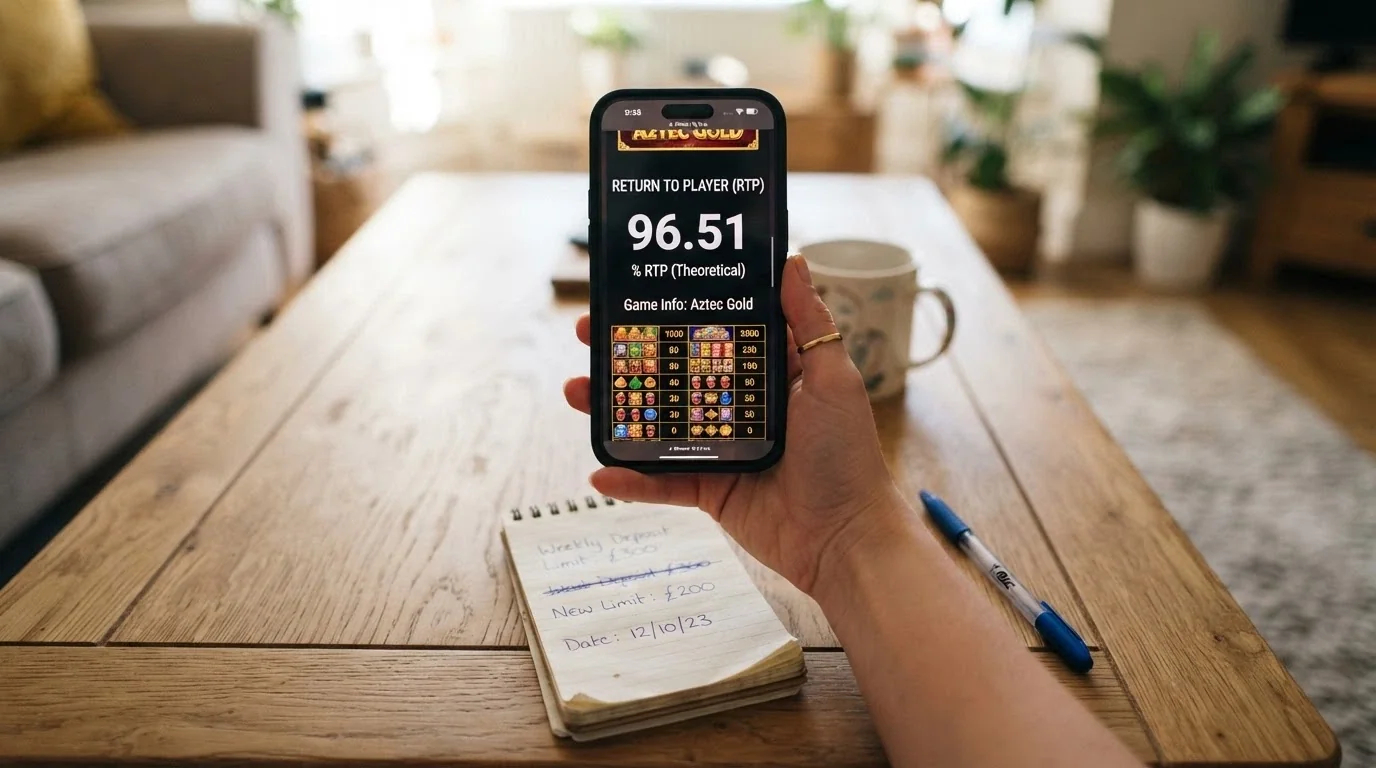
For the punter, the practical move is to check the game’s info screen before the first spin. The RTP is listed there, alongside the paytable. If the casino is running a non-default version, the number on that screen is the one that will determine the long-run return, and the only way to find it is to look.
Real-Money Pokies and the No-Deposit Entry Point
Real-money play is the default route to high-RTP pokies for Australians, and it is the only route at which the highest-stakes bonus terms in the table below apply. Deposit, claim the welcome pack, work through the wagering requirement, withdraw whatever survives the cashout cap. The mechanics are simple and the costs are stated plainly in the terms: 40x bonus, 14 days to clear, A$5,000 cap on the bonus-to-real conversion.
A handful of offshore sites offer a no-deposit entry instead. Fair Go runs no-deposit free chips of A$10–A$30 with 60x wagering on the bonus value; Bizzo Casino runs 10–25 no-deposit free spins with 40x wagering on the spin winnings. The structure is appealing — play a high-RTP pokie without funding an account — and the trade-off is the wagering multiplier. A 60x requirement on a A$20 chip is A$1,200 in turnover before any withdrawal is possible, and the house edge on that turnover is the same 4% it is on any other session. The expected loss is the expected loss, and the chip is a smaller version of the same bet.
The pragmatic call is to treat no-deposit offers as a free look at the casino rather than a path to real money. The wagering terms make a withdrawal genuinely long-odds, and the games available on the chip are usually the ones the operator most wants played. A demo mode is a cleaner test, and a small real-money deposit with a fair welcome offer is a cleaner test still. The no-deposit route is the slowest path to a real withdrawal, by design.
Demo Mode: Try Before You Risk a Dollar
Every high-RTP pokie in the ranking above is available in demo mode at most offshore-AU casinos, including the ones in the second half of this article. Demo play runs on the same software client, with the same bonus rounds, the same hit frequency and the same mechanics — but with play-money credits instead of real ones. The session reveals whether a pokie’s volatility matches the player’s taste: Blood Suckers produces small, regular wins; Dead or Alive 2 sits dormant for long stretches and pays in a single round.
The catch is what demo play does not reveal. The RTP version loaded in demo mode may not be the same one the operator loads for real-money play. The withdrawal friction only appears when real money is on the cashier. The bonus terms only bite when a bonus is claimed. Demo mode is the right tool to test a game’s feel and the wrong tool to test a casino.
The pragmatic pattern is a two-step check. Open the pokie in demo mode, play fifty to a hundred spins, decide whether the volatility and feature frequency suit the bankroll. Then open the same pokie in real-money mode — minimum deposit — and check the info screen for the actual RTP number. If the two numbers match, the operator is running the provider default. If the real-money number is lower, the operator is running a reduced version, and the comparison the punter was making was always apples to oranges.
Where Australians Find These High-RTP Pokies — and What Each Site Costs to Play
The ten operators below accept Australian players, carry high-RTP pokies, and run outside Australian law. Every one of them is offshore; every one of them offers a product that is illegal to provide in this country; none of them can be licensed here. The comparison that follows is honest about that and ruthless about the cost of doing business on those terms.

| Operator | AU Licence Status | Welcome Offer (AUD) | Wagering Multiplier | Standout Term |
|---|---|---|---|---|
| SkyCrown | Offshore (Curaçao) — NOT licensed in AU | Up to A$8,000 + 400 FS across 4 deposits | 40x bonus + FS | A$5,000 max bonus-to-real conversion |
| Royal Reels | Offshore — NOT licensed in AU | A$2,500 across 3 deposits + 50 FS | 35x bonus only | A$5 per-spin cap during clear-down |
| WinSpirit | Offshore — NOT licensed in AU | Up to A$2,000 + 100 FS | 40x bonus + FS | A$3,000 win limit |
| Rocket Play | Offshore (Curaçao) — NOT licensed in AU | 100% up to AU$200 + 50 FS | 30x bonus | Lowest wagering in the comparison |
| Wild Fortune | Offshore — NOT licensed in AU | Up to A$2,000 + 175 FS | 45x bonus / 0x FS | 0x wagering on free spins winnings |
| Fair Go | Offshore — NOT licensed in AU | No-deposit free chip A$10–A$30 | 60x bonus value | No-deposit entry, RTG single provider |
| Bizzo Casino | Offshore — NOT licensed in AU | No-deposit 10–25 FS | 40x FS winnings | No-deposit FS on a 96% RTP slot |
| Stake | Offshore (Curaçao) — NOT licensed in AU | No traditional welcome bonus | n/a | Rakeback / VIP model instead |
| Rainbet | Offshore — NOT licensed in AU | Not confirmed this run | Not confirmed this run | 1.28% AU market share |
| Scream Casino | Offshore — NOT licensed in AU | Not confirmed this run | Not confirmed this run | 0.99% AU market share |
The numbers in the table are the numbers that matter, and the most important one is the wagering multiplier. A 30x bonus-only requirement at Rocket Play is a fundamentally different proposition from a 60x bonus-value requirement at Fair Go: 25% less turnover for the same claimed value, which compounds across every bonus dollar the punter ever claims. Wild Fortune’s 0x wagering on free spins winnings is the only row in the table where a spin win is real cash from the moment it lands, and that single term is the reason a player who values free spins above matched deposits has a clear favourite.
The welcome-offer column is the one most prone to misreading. The A$8,000 headline at SkyCrown is a four-deposit figure, not a single-deposit claim, and the 14-day validity on each piece means a punter who claims the full package has roughly two months of active play to clear the whole thing — at 40x, that is A$320,000 in turnover on the bonus alone. The expected cost of clearing the bonus is the calculation in the section that follows SkyCrown’s write-up below. The headline is large. The cost is larger.
SkyCrown: The Biggest Welcome Package, With Strings Attached
A$8,000 across four deposits plus 400 free spins is the largest welcome figure in the comparison, and the wagering terms attached to it are the largest in absolute terms as well. The 40x multiplier applies to both the bonus and the free spins winnings, the bonus expires 14 days from claim, the maximum bet during bonus play is A$7.50, and the maximum bonus-to-real-money conversion is A$5,000 per welcome bonus. The structure is a deposit match of 120% up to A$1,200 plus 125 free spins on the first deposit, 100% up to A$1,300 plus 75 spins on the second, 80% up to A$1,500 plus 50 spins on the third, and 150% up to A$4,000 plus 150 spins on the fourth.
The headline number flatters the offer. The A$5,000 cashout cap is the constraint that defines it: a punter who clears the full A$8,000 bonus and turns it into real money walks away with at most A$5,000 of that, plus any free spins winnings that survive their own 40x playthrough. The 14-day validity window on each bonus piece means a casual player has the choice of running hot for two weeks or losing the bonus entirely. The terms are tight, the cap is the same regardless of which of the four deposits produced the bonus, and the free spins carry the same 40x requirement as the matched cash.
To take the first deposit as a worked example: claiming the full 120% match on a A$1,000 deposit gives the punter a A$1,200 bonus. The wagering requirement is 40x that bonus, which is A$48,000 of turnover. Assuming the bonus is played through on Wolf Treasure, the first-deposit free-spin game, at the confirmed 96.00% RTP, the expected loss on that turnover is A$48,000 multiplied by 4% — that is A$1,920 the punter should expect to give back to the house in the process of clearing a A$1,200 bonus. This is a statistical estimate, an average across millions of spins under those assumptions; it is not a forecast of any individual session. The A$1,200 bonus that costs A$1,920 to clear is, in expectation, an A$720 gift from the player to the house. The headline reads A$1,200. The maths reads differently.
SkyCrown is the right choice for a player who plans to deposit heavily across four instalments, has the time to clear 14-day windows on each, and treats the bonus as a long-running session rather than a quick claim. It is the wrong choice for a casual punter, who will forfeit unplayed bonus value in week two and walk away with the deposit loss only.
Royal Reels: Wagering on the Bonus Only — a Rare Advantage
Royal Reels’ A$2,500 across three deposits plus 50 free spins is a smaller welcome than SkyCrown’s, but the 35x wagering applies to the bonus amount alone, not to the free spins winnings, and the per-spin cap during clear-down is A$5. That structure is rare in the comparison: most welcome offers attach wagering to the spins as well, which is how the wagering multiplier can be sold as a single number when in fact the spin component is playing through a separate balance. Royal Reels splits the two cleanly, which makes the real cost easier to estimate.
The library holds roughly 1,400 pokies from Pragmatic Play, Play’n GO, Nolimit City and Hacksaw Gaming, which covers most of the high-RTP titles in the table above. The bonus value of A$2,500 is reachable in three deposits — 100% up to A$500 first, 75% up to A$750 second, 100% up to A$1,250 third — and the maximum cashout from the welcome offer was not confirmed this run, which is the one gap in the picture.
A player who values wagering-light terms and a clean separation between bonus and spin balances will find Royal Reels the more readable offer. The A$5 per-spin cap during clear-down is high enough that it does not handicap standard play, and the 35x multiplier on a A$500 first-deposit bonus is A$17,500 in turnover — much less than SkyCrown’s A$48,000 on the comparable deposit.
WinSpirit: A Generous Offer Capped by a Win Limit
The WinSpirit welcome is up to A$2,000 plus 100 free spins, with the second deposit carrying a 200% match up to A$1,000 — a more aggressive percentage than the first deposit’s 100%. The free spins drop 20 per day for five days, on Royal Piggy Hold the Spin and Fruit Million, and the wagering on both bonus and free spins winnings is 40x. The A$30 minimum deposit applies across the package.
The standout term is the A$3,000 win limit. A punter who clears the full bonus and lands a big spin walks away with A$3,000 of it, not the full payout — the cap is on total winnings from the welcome offer, not on the bonus-to-real conversion specifically. That is a tighter ceiling than SkyCrown’s A$5,000, and the comparison is unflattering to a bonus that looks similar in size.
For a casual player who deposits the minimum A$30 twice and clears the wagering on the first deposit alone, WinSpirit is a clean entry. For a high-stakes player, the A$3,000 ceiling makes the headline offer smaller than it reads, and the second-deposit 200% match — the most generous line in the package — is the one most exposed to the cap.
Rocket Play: The Lowest Wagering Multiplier Among the Featured Set
Rocket Play’s 100% match up to AU$200 plus 50 free spins on West Town is a modest offer in headline terms, but the 30x wagering on the bonus amount is the lowest multiplier in the comparison. A 25% reduction in playthrough against the 40x standard is a structural advantage that compounds across every bonus dollar the punter ever claims at this site, and it is the reason a player who weighs turnover cost above headline value lands on Rocket Play.
The lobby holds 3,000+ games, which covers the high-RTP titles in the ranking above plus a wide net of medium-RTP video slots. The Curaçao framework is the licensing body, which is the same as four of the other operators in the comparison and means none of them is regulated in Australia.
The offer suits a player with a smaller bankroll who plans to deposit, clear the bonus at 30x, withdraw the residue and move on. The maximum cashout from the welcome was not confirmed this run, and the absence is the only meaningful gap in the offer profile.
Wild Fortune: Zero-Wagering Free Spins — Winnings You Can Withdraw Immediately
The 175 free spins at Wild Fortune carry 0x wagering on winnings, which means a spin win is real cash the moment it lands. No playthrough, no multiplier, no clearing requirement — the win is withdrawable from the cashier. Across a market where most welcome offers attach 40x wagering to both bonus and spins, that single term is the most valuable number in the table.
The package is up to A$2,000 plus 175 free spins, with the spins dropping 20 instantly and 20 per day for four days. The bonus amount carries 45x wagering, which is on the high side of the comparison. The 0x on the spins is what compensates, and what makes the total package a better-than-average deal for a player who values free-spin returns over matched-deposit playthrough. The library carries 15 of the top 20 highest-RTP titles, which is the strongest high-RTP coverage of any operator in the comparison.
The trade-off is the bonus component. A 45x bonus multiplier is 12.5% heavier than SkyCrown’s 40x and 50% heavier than Rocket Play’s 30x, and the 45x applies to the A$2,000 bonus ceiling, not to the free spins. The punter who claims the full bonus and clears it on a 96% pokie is looking at A$90,000 in turnover with an expected loss of A$3,600 — the same kind of arithmetic that makes SkyCrown’s headline smaller than it looks. The free spins change the balance. Wild Fortune is the right pick for a player who would rather spin than match.
Fair Go: A No-Deposit Entry Point With RTG Pokies
Fair Go’s no-deposit free chip of A$10–A$30 lets a player run real-money spins on RTG (RealTime Gaming) pokies without funding an account, which is genuinely deposit-free play. The 60x wagering on the bonus value is steep: a A$20 chip requires A$1,200 of turnover before any withdrawal is possible, and the house edge on that turnover at a typical RTG pokie is the same 4–5% it is anywhere else. The expected loss on the A$1,200 turnover is roughly A$48–A$60 — which is two to three times the chip value itself, before any withdrawal has happened.
The single-provider RTG library is a constraint. RTG ships fewer high-RTP titles than the multi-provider aggregators, and the titles that are available tend to be classics rather than the latest releases. A player who is here for Blood Suckers or Book of 99 will not find them; a player who is here for a no-deposit trial of a working real-money cashier will.
Deposit bonuses at Fair Go carry 30x wagering, which is competitive with the comparison, and the no-deposit chip is a clean way to test the cashier before committing. The wagering terms on the chip make a withdrawal genuinely long-odds, but the test itself is free, and a player who treats the chip as a look rather than a path to cash is using the offer the way it is best used.
Bizzo Casino: No-Deposit Free Spins From a Multi-Provider Lobby
Bizzo Casino’s 10–25 no-deposit free spins are playable on Elvis Frog in Vegas at a 96.00% RTP, which is the kind of no-deposit trial that gets close to a free look at a real-money session. The 40x wagering on the spin winnings is the same as the bonus-component standard at several other operators, and the spin winnings on a 96% pokie are more likely to produce a small residue than a 95% pokie — which is the calculation that makes a no-deposit spin on a high-RTP title genuinely worth a try.
The multi-provider lobby holds BGaming, Mascot, Spinomenal, Betsoft and other studios, which is a stronger high-RTP coverage than Fair Go’s single-provider RTG library. The bonus validity runs to 31 December 2026, which gives a wide window to claim.
The offer suits a player who wants a no-deposit trial at a real-money multi-provider casino and is comfortable with a 40x playthrough on whatever the spin winnings turn out to be. The Elvis Frog in Vegas RTP is the one confirmed figure that separates this from a generic no-deposit offer; the rest of the lobby is the kind of cross-studio aggregation that the highest-RTP titles live in.
Stake: No Traditional Welcome Bonus — Rakeback Replaces It
Stake does not offer a conventional deposit-match welcome bonus, and the absence is structural rather than a gap in the information. The operator runs on a rakeback and VIP model instead: a percentage of every wager returned to the player regardless of outcome, with the percentage rising through VIP tiers. The comparison against deposit-match offers is apples to oranges by design.
The lobby is multi-provider plus proprietary Stake Originals, with Pragmatic Play, Hacksaw and Nolimit City among the confirmed studios. The Curaçao licence is the same as four other operators in the table. The 1.28% AU market share places Stake in the upper tier of Australian-facing offshore sites by player count.
For a high-volume player who would clear a 30–40x bonus on regular matched offers, the rakeback model returns more in absolute terms than a one-time welcome package. For a casual player who deposits A$50 once and never returns, the absence of a welcome bonus means there is nothing to claim. The match between Stake and a given punter depends almost entirely on session frequency, and the operator’s role in the comparison is to be the option for which the deposit-bonus framework does not apply.
Rainbet: Limited Bonus Data — but in the Mix for Game Selection
Rainbet’s bonus terms were not confirmed this run, and the operator appears in the comparison on market presence — 1.28% AU share, the same as Stake — rather than on a promotional offer. The multi-provider library is a working assumption, and the relevant evaluation is on game selection and withdrawal performance, which the punter will need to verify directly.
A player considering Rainbet should treat it as an open comparison: same offshore structure as the rest of the table, no confirmed bonus to claim or clear, and a market-share position that suggests a working cashier and a working game catalogue. The information gap is the information; the operator has not been a part of this research in a way that supports a verdict either way.
Scream Casino: Another Multi-Provider Option With Unconfirmed Bonus Terms
Scream Casino’s bonus terms were also not confirmed this run, and the operator appears on the same basis as Rainbet — a 0.99% AU market share, a multi-provider library, and a working offshore structure. The comparison entry is honest about what the data does and does not carry: the offer profile is empty, and the punter who wants to evaluate the operator will need to do that work directly.
The lower market share (0.99% versus the more common 1.28%) is the one figure that says anything specific about the operator. The withdrawal record, the game catalogue and the bonus terms are all gaps the player will need to fill. As with Rainbet, the entry exists in the comparison to acknowledge the operator’s market position, not to recommend it.
How Fast Your Winnings Actually Land — Withdrawal Speed Compared
The withdrawal method matters more than the operator. Crypto settles in 10–60 minutes (Bitcoin 30–60 min, Ethereum and Litecoin 5–30 min, USDT on TRC20 or Solana under 5 minutes); PayID clears in under 60 minutes through Australia’s New Payments Platform; e-wallets deliver within 1–6 hours of approval; cards take 1–3 business days; bank transfers 3–5 business days. The same operator on two different methods can pay out in five minutes or five working days, and the difference is the method, not the casino.

| Method | Typical Processing Time | Notes |
|---|---|---|
| USDT (TRC20) / SOL | Under 5 minutes | Fastest; offshore-only deposit route, banned for licensed AU wagering |
| ETH / LTC | 5–30 minutes | Fast; same offshore deposit status |
| BTC | 30–60 minutes | Fastest widely-available; offshore-only deposit |
| PayID | Under 60 minutes | Fastest fiat option; NPP clearing; deposit availability varies |
| E-wallets (Skrill, Neteller, MiFinity) | 1–6 hours post-approval | Mid-range; wallet account required |
| Card | 1–3 business days | Standard; bank processing time applies |
| Bank transfer | 3–5 business days | Slowest; standard for high-value withdrawals |
POLi was decommissioned on 30 September 2023, which is why the comparison above does not include a method that used to be the default for Australian players. PayID is the replacement for the fiat-withdrawal side; crypto is the parallel track on the offshore side. The two together cover what POLi used to do for free, and the gap that opens is between licensed fiat (PayID) and offshore crypto (USDT, BTC) — the same gap that the IGA keeps open.
What Actually Slows Your Withdrawal — and It Is Not the Payment Method
Incomplete KYC verification is the number one cause of withdrawal delays at Australian-facing offshore casinos. The 24–72 hours a player waits for document approval happens before the payment clock even starts, and the wait is invisible to the method-level numbers above. A “10–60 minutes” crypto withdrawal that took three days was not slow; it was held up at KYC.
The fix is to submit KYC before the first withdrawal. Passport, proof of address, and a payment-method screenshot are the standard three documents. Most operators process them in 24 hours when the file is clean — every edge of the document visible, every detail matching the account. The punter who waits until a big win to submit the documents is the punter who waits longest for the payout.
The second cause is bonus-related. A withdrawal request that arrives while a bonus is still active will often be declined or held until the bonus is cleared, forfeited, or expired. The 14-day validity windows on SkyCrown’s welcome and similar terms on other offers mean a player who wants to withdraw before the bonus clears has to forfeit the bonus, which is a real cost. Knowing whether the bonus is still in play before requesting a withdrawal is the kind of small operational detail that decides whether the payout takes 30 minutes or three days.
PayID and Crypto: The Fastest Routes for Australians
PayID is the fastest fiat route available to an Australian punter and works through the New Payments Platform, which clears real-time between participating banks. The under-60-minute clearance is consistent across the operators in the table, and the deposit side is equally fast for the operators that accept PayID on the way in. The catch is that PayID is offered by offshore casinos because it is convenient for Australian players, not because it is licensed for Australian wagering — and the payment method does not change the legal status of the activity.
Crypto is faster still and is offered by every operator in the comparison, but crypto deposits are banned for licensed Australian wagering from 11 June 2024 under the Interactive Gambling Amendment (Credit and Other Measures) Act 2023. An Australian who is asked for a credit card or a crypto deposit by a gambling site is being served by someone outside the Australian rules. The payment method is itself a tell. The fastest withdrawals in the table are the ones that confirm the operator is offshore, which the offshore status already did.
The pragmatic call is to match the method to the situation. Crypto for the routine small withdrawals where the speed is worth the offshore confirmation; PayID for the larger fiat withdrawals where the bank-channel security matters; e-wallets as a middle option that works on either side of the crypto/fiat split. Card and bank transfer are the slow options that should be a deliberate choice, not a default.
The Legal Reality: Why Every Online Pokies Site Australians Use Is Offshore
The Interactive Gambling Act 2001 makes it an offence to provide an online casino, online pokies or in-play sports betting to a person in Australia. There is no licence for any of these products anywhere in the country, and there cannot be one. The federal law is enforced by ACMA, which has had 1,564 illegal gambling and affiliate websites blocked by Australian ISPs since November 2019 and has seen more than 225 illegal services withdraw from the Australian market since 2017. The blocks are DNS-level: a site disappears from Telstra and Optus, reappears a week later under a slightly different spelling, and ACMA blocks that one too. The cat-and-mouse dynamic is structural, and the IGA is the cat.
The licensed Australian product is narrower. Wagering on races and sport placed before the event, lotteries and keno are licensed; the Northern Territory Racing and Wagering Commission via Licensing NT is the de facto national licensor for online bookmakers, with state and territory regulators covering the rest. The minimum age is 18. The products Australians legally access online do not include online pokies.
The player is not the target. The individual player is not prosecuted under the IGA; it targets the provider. A punter who plays at an offshore casino commits no Australian offence, and there is no Australian case law in which an ordinary punter has been penalised for placing bets at an unlicensed site. The legal risk sits entirely on the operator that serves the market, which is why every operator in the comparison above is incorporated elsewhere and holds a non-Australian licence.
The consumer risk sits on the player. No Australian consumer-protection framework applies to an offshore casino: no statutory dispute resolution, no ombudsman, no fund that pays out if the operator folds. The withdrawal that stalls is a withdrawal the player chases alone. The bonus term that the operator interprets aggressively is a term the player has no domestic lever to challenge. The site that ACMA blocks next week is a site at which any remaining balance is, in practical terms, lost.
What the 2026 Gambling Reforms Change — and What They Do Not
The Interactive Gambling Amendment (Gambling Reform) Bill 2026 passed Parliament on 19 August 2026, and its measures commence on 1 January 2027. The headline changes are an advertising blackout during live sport (5 am to 8:30 pm, from 15 minutes before to 5 minutes after a live event), TV wagering ads capped at three per hour, athletes/celebrities/influencers barred from promoting wagering, a Wagering Advertising Opt-out Register (AdStop) administered by ACMA, banks and payment providers authorised to block transactions to illegal gambling operators, inducement marketing banned for 14 days after sign-up and three months after BetStop deregistration and indefinitely for at-risk customers, online keno “pocket pokies” banned, and foreign-matched lotteries banned. The package is the biggest consumer-protection rewrite in the Australian wagering market in two decades.
The reform does not legalise online pokies. The product is still prohibited, the prohibition still attaches to the provider, and the IGA framework that makes every operator in the comparison above illegal is unchanged. What the reform does is add new pressure on the offshore model: the banks-and-payments clause gives financial intermediaries a lever that DNS blocking never could, and the inducement ban closes off the marketing channel that offshore operators use most to sign up new Australian players. From 1 January 2027, the practical mechanics of moving money to and from an offshore casino get harder, and the marketing that drove new sign-ups gets quieter.
For the punter, the reform is mostly background. The pokies on offer, the RTPs on the info screens and the bonus terms in the cashier are unchanged. What changes is the friction around the activity — the deposit that the bank declines, the marketing email that no longer arrives, the affiliate link that no longer advertises on the sports broadcast. The offshore casino the punter has been using is still there, still unlicensed, and still outside Australian consumer-protection law.
What You Give Up When You Play Offshore: Consumer Protection at a Distance
The trade for offshore access is the loss of every consumer-protection mechanism the Australian framework has built. BetStop does not bind offshore casinos; a self-excluded Australian can still deposit and play at any of the ten operators in the comparison. ACMA cannot compel a payout; the agency that blocked the domain is the only Australian authority that touches the operator, and blocking is not payment. ATO has no jurisdiction over a Curaçao-incorporated entity. The Fair Work ombudsman, the state gambling regulators, the federal court — none of them have a path to an offshore casino that refuses a withdrawal.
The payment-method tell is the closest thing to a working filter. An Australian asked for a credit card or a crypto deposit by a gambling site is being served by someone outside the Australian rules. The licensed Australian wagering operators — Sportsbet, bet365, Ladbrokes, the TABs — accept debit cards, bank transfer, PayID, BPAY; they do not accept credit cards or crypto. The list of payment methods the operator offers is, in practice, the most reliable indicator of whether the operator is licensed at all.
The second tell is the domain. A site that disappears one week and reappears the next under a slightly different spelling is not a stable business. A casino whose domain has been through three iterations in two years is one regulatory action away from disappearing entirely, and any balance on the next iteration is, in practical terms, lost. DNS-level blocking is a real enforcement tool, and the operators it targets are precisely the operators Australians use.
Staying in Control: The Tools That Work and the One That Does Not Offshore
Australia’s harm-minimisation infrastructure is among the strongest in the world for licensed wagering, and it is one regulatory change away from becoming meaningful for offshore play. BetStop — the National Self-Exclusion Register — has 67,480 registrations as at 31 July 2026, with 41,290 exclusions still active. 78% of registrants were under 40, and 38% chose a lifetime exclusion. The register is the centrepiece of the Australian framework: a single sign-up blocks the registered person from every Australian-licensed wagering operator, and the block applies to marketing, deposits and account reactivation.

The offshore gap is the catch. BetStop binds Australian-licensed wagering services only — an offshore casino is not connected to the register and will keep accepting a self-excluded person’s money. The Australian who self-excludes to manage a problem and then plays at an offshore casino has not stopped gambling; they have moved the gambling to a channel the exclusion does not reach. The 24-hour helpline (1800 858 858), the Gambling Help Online service at gamblinghelponline.org.au, and the deposit limits and activity statements on licensed platforms are real tools with real coverage, and they do not cover the offshore sites in the comparison above.
About 2.1% of Australian adults — roughly 430,000 people — experience problem gambling, and the Australian Institute of Health and Welfare put high-risk gambling at 1.8% in 2022. The figures are not directly comparable to the offshore population, because the offshore population is uncounted, but the order of magnitude suggests the same prevalence range as the licensed market — and an offshore population that is not reached by BetStop is, by definition, harder to reach than the licensed one. The tools that work at licensed operators do not transfer to offshore play, which is the policy problem the 2027 reform begins to address.
Practical Harm-Minimisation Tools You Can Use Regardless of Where You Play
Operator-level deposit limits are the first line of defence at an offshore casino. Every reputable operator in the comparison offers a daily, weekly or monthly deposit ceiling that the player sets themselves, and the limit is enforced at the cashier before the deposit clears. A punter who sets a A$200 weekly limit before the first deposit has a different session than a punter who does not. Session timers, take-a-break features and activity statements are also standard, and they are the closest the offshore model gets to a BetStop equivalent.
The limit is that none of these tools are cross-operator. A self-imposed deposit limit at SkyCrown does not follow the player to Royal Reels; a take-a-break at Fair Go does not pause the account at Bizzo. The offshore self-exclusion is per-site, manually set, and the punter has to remember to set it at every new operator. The right sequence is to set the limit before the first deposit, before the bonus is claimed, and before the session is long enough to need one.
The harder tools are the ones that work regardless of operator. The 1800 858 858 National Gambling Helpline is free, confidential and staffed 24/7. Gambling Help Online at gamblinghelponline.org.au provides online chat and counselling. A punter who feels the session is no longer a choice is a punter who should use one of these, regardless of where they play. The offshore structure is the operator’s problem, not the punter’s, and the help infrastructure does not ask which casino the punter was using.
How We Evaluated and Ranked These Pokies and Casinos
The RTP figures in the pokie table are sourced from the provider’s published RTP sheets and cross-checked against Payoutverdict.com, Gamblinginsider.com, Casinoa.org and other independent testing references. Where a title ships in multiple RTP versions (Pragmatic Play’s Sweet Bonanza at four configurations, for example), the table lists the range and notes the configuration. The volatility and max-win figures are drawn from the same sources and are filled in only where a specific figure was confirmed in research; cells without a confirmed value carry an em dash.
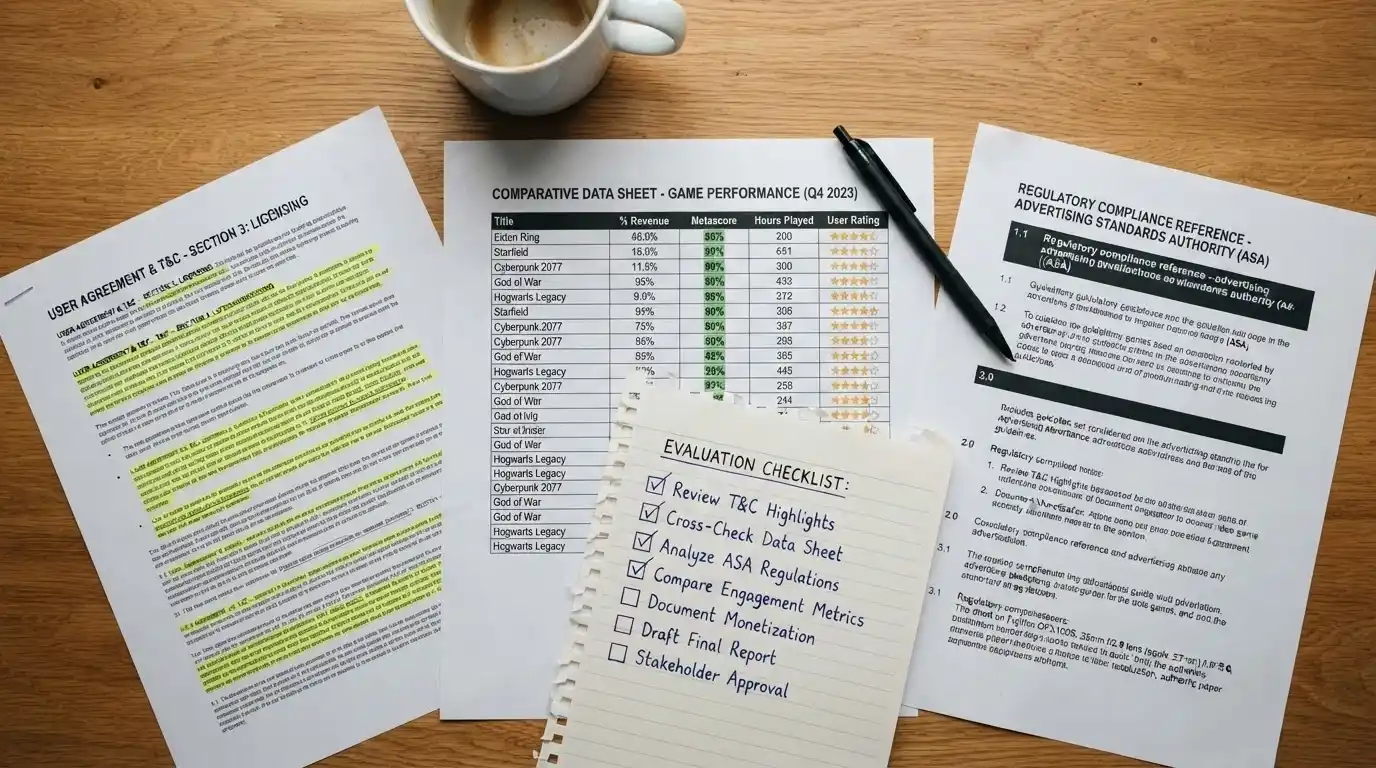
The operator evaluation is built on five criteria, in this order: licence transparency (every operator in the comparison is offshore and not licensed in Australia, and the comparison names that), welcome-offer terms (the headline value, the wagering multiplier, the validity window, the maximum cashout), game selection (the count of high-RTP titles from the ranking above that the operator actually carries, and the number of distinct providers), withdrawal speed by method (the figures in the withdrawal table, cross-checked against operator terms pages and independent review references), and market presence (where research carries a market share figure, it is reported).
The methodology has three limits. The first is that RTP configurations can change without notice: an operator that runs the default 96.51% Sweet Bonanza this month can quietly switch to the 91.51% version next month, and no public list tracks the change. The second is that some operator terms (bonus validity windows, maximum cashout caps) are not published in detail and were not confirmed in research, and the comparison marks those gaps with em dashes rather than guess. The third is that the punter’s individual experience — which games they prefer, which volatility suits their bankroll, which bonus terms they can realistically clear — is the part the methodology cannot measure, and the section that follows turns that over to the reader.
What You Should Actually Do With This Information
The pokie ranking is the easy part. Choose a title whose RTP and volatility suit the bankroll: high-RTP low-volatility for long sessions, lower-RTP high-volatility for bonus-round chases, and the 99% tier (Ugga Bugga, Book of 99, Mega Joker in Supermeter) for the closest thing to a fair return the market offers. Open the pokie in demo mode at the operator first, then switch to real-money mode at minimum deposit, and check the info screen for the actual RTP number before the first spin. If the real-money number is below the provider default, the operator is running a reduced version, and the comparison the punter was making was always wrong.
The operator choice is harder, and the right operator depends on what the punter values most. A player who wants the lowest turnover cost and a clean separation between bonus and spin balances is best served by Rocket Play at 30x bonus-only. A player who values free-spin returns above everything else is best served by Wild Fortune at 0x on the spins. A player who wants the no-deposit trial at a real-money cashier should start with Fair Go or Bizzo Casino and treat the chip as a look, not a withdrawal path. A high-volume player should be looking at Stake’s rakeback model, where the per-wager return dominates any one-time welcome package.
Across all of it, three rules hold. Set a deposit limit before the first deposit and respect it. Submit KYC documents before the first withdrawal request, not after. Use PayID or a clean crypto wallet, not a credit card, because the payment method is itself the regulatory tell. The offshore structure is the operator’s choice; the consumer-protection discipline is the punter’s.
Frequently Asked Questions
What does RTP mean on pokies and how is it calculated?
RTP, or return-to-player, is the percentage of all wagered money a pokie is programmed to return to players over millions of spins. A 96% RTP pokie returns $96 of every $100 staked in the long run, with the remaining 4% being the house edge. The industry average across tested online pokies is around 95.7%, so anything meaningfully above that benchmark is considered high. RTP is a statistical average — a single session can return far more or far less.
What is the difference between high and low volatility pokies?
Volatility describes how a pokie’s payouts are distributed. Low-volatility pokies like Blood Suckers (98% RTP) and 1429 Uncharted Seas (98.60% RTP) return small, frequent wins. High-volatility pokies like Dead or Alive 2 (96.82% RTP) and Razor Shark (96.70% RTP) run cold for long stretches and pay out in rare, large bonus rounds. The right choice depends on bankroll size and patience: low volatility extends a session, high volatility chases a single big win.
Can I play pokies with PayID deposits in Australia?
PayID works through Australia’s New Payments Platform and clears in under 60 minutes, making it the fastest fiat option for deposits and withdrawals at Australian-facing offshore casinos. However, offshore pokies sites are not licensed in Australia, and PayID availability depends on each operator’s cashier. The licensed Australian wagering operators (Sportsbet, bet365, Ladbrokes, the TABs) also accept PayID for their licensed products, which do not include online pokies.
How do I check if a pokie’s RTP has been reduced by the casino?
Open the pokie in real-money mode and check the info or help screen before placing the first bet. The RTP is listed there, usually in the paytable or game rules section. If the figure is below the provider’s default (for example, below 96.51% for Sweet Bonanza), the operator is running a reduced version. The version-trap affects primarily Pragmatic Play titles, which ship in up to four RTP configurations. The provider’s official website lists the default RTP for each title as a reference point.
Do I have to pay tax on pokies winnings in Australia?
No. Under section 6-5 of the ITAA 1997, gambling winnings are not assessable income for individual punters, and under section 8-1, gambling losses are not deductible. The exception is if the ATO determines the punter is carrying on a business of betting, which is a high bar and rarely applies to casual play. This is the model position; individual circumstances vary, and a punter with a large win or unusual pattern should seek advice.